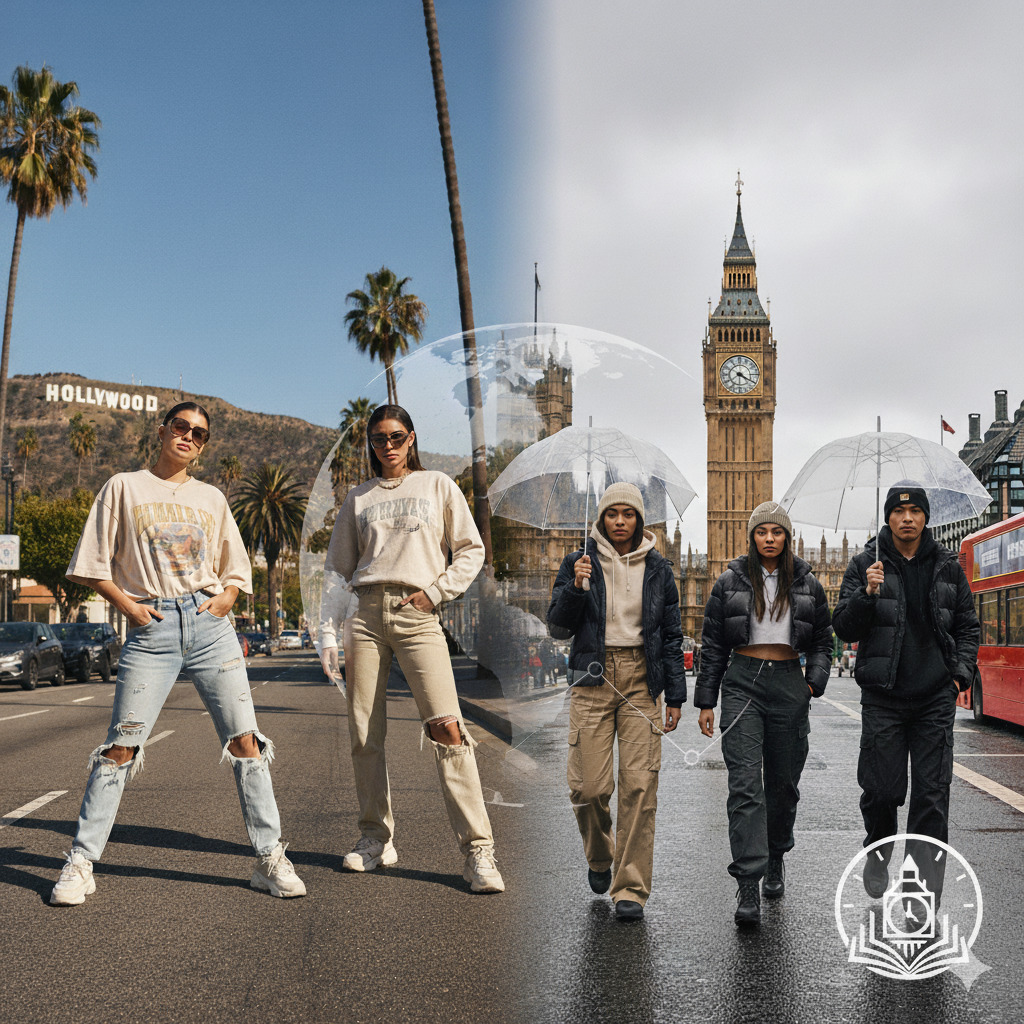







Winter dressing presents a unique challenge: staying warm without sacrificing style or comfort. Unpredictable weather, indoor heating, and changing social settings mean what works for a weekday commute rarely suits an evening out or a relaxed weekend. Mastering winter outfits comes down to adapting your wardrobe to different occasions while balancing function and personal style. Drawing on seasonal fashion insights often highlighted by The London Magazine, this guide focuses on practical, wearable solutions rather than fleeting trends.
This article explores smart styling strategies for workdays, weekends, and evening events, showing how thoughtful layering and fabric choices can make winter dressing both confident and effortless.
Winter Outfit Essentials That Work for Every Occasion
Layering Smartly Without Bulk
Effective layering creates insulation through trapped air between garments rather than sheer thickness. The strategic approach involves three distinct layers:
- Base layer: Moisture-wicking thermal fabrics (merino wool or synthetic blends) sit closest to skin, regulating temperature without visible lines under clothing
- Mid-layer: Insulating pieces like fine-knit jumpers, lightweight fleece, or thin down provide warmth whilst allowing movement
- Outer layer: Weather-resistant coats or jackets protect against wind and precipitation whilst completing your silhouette
The advantage of this system is adaptability, you can remove or add layers as you move between cold outdoor spaces and heated indoor environments without compromising your overall look.
Choosing Fabrics That Actually Keep You Warm
Not all winter materials offer equal protection. Wool retains around 80% of its insulating properties even when damp, making it ideal for unpredictable British weather, while cashmere offers excellent warmth with minimal weight, though it needs careful care. UK retail data shows consumers spent over £2.3 billion on winter clothing in 2023, with natural fibres commanding higher prices due to their performance benefits. Similar fabric considerations apply when planning outfits for seasonal events and travel, as highlighted in this Holiday Outfit Planning Guide for winter events and travel.
Advances in thermal technology have also led to synthetic blends that provide strong insulation while remaining affordable and easy to maintain. Fabrics with hollow-core fibres or brushed linings help trap heat without adding bulk.
Winter Outfits for Work
Women’s Workwear – Balancing Professional Standards with Comfort
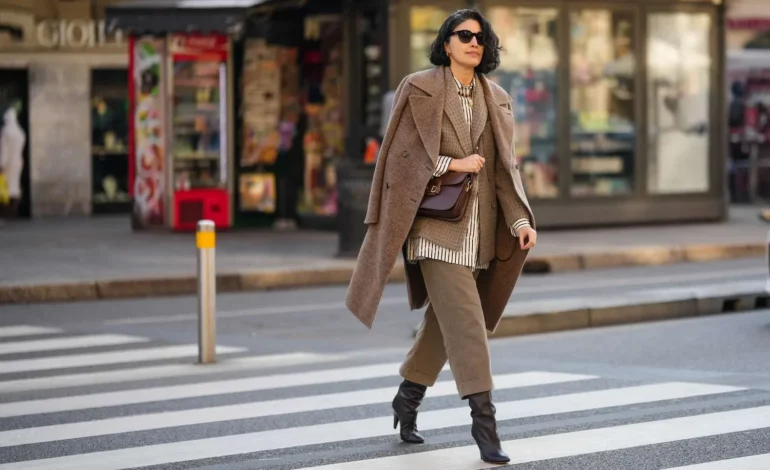
Professional winter outfits for women combine tailored trousers or midi skirts with structured jumpers or blouses. Layer a blazer or cardigan that can be removed indoors. A knee-length wool coat works for commuting, while closed-toe leather boots handle wet weather while maintaining office standards.
According to workplace surveys, 73% of female professionals prioritise layering capability over standalone warm pieces for office dressing, as indoor temperatures fluctuate throughout the workday. For those looking to explore a broader range of seasonal options, a comprehensive Guide to Winter Clothes offers insights into layering techniques, essential fabrics, and versatile pieces that can enhance any professional wardrobe.
Dresses remain suitable when paired with opaque tights (minimum 60 denier for adequate warmth) and boots. Choose heavier fabrics like ponte knit or wool crepe. Keep a scarf at your desk for temperature control, a practice adopted by 61% of office workers in heated environments.
Men’s Workwear – Building Versatile Professional Looks
Winter outfits men can build around include suit trousers or chinos with long-sleeve shirts and merino jumpers. A waistcoat adds warmth without bulk. Winter outfits men ideas should prioritise a quality wool overcoat that fits over blazers, charcoal, navy, or camel works with most office attire.
Merino wool regulates temperature 30% more effectively than synthetic alternatives, making it ideal for commutes followed by heated office environments.
Leather Oxford shoes or Chelsea boots suit professional settings. Wool socks prevent cold feet during long workdays important given that feet lose heat 25 times faster than other body parts due to limited fat insulation.
Casual Winter Outfit Ideas for Weekends
Women’s Weekend Style – Comfort Meets Intentional Dressing
Weekend winter outfits for women going out centre on comfortable basics: well-fitted jeans with chunky knits, relaxed sweatshirts over thermals, or leggings with oversized jumpers. Puffer jackets, quilted coats, or shearling-lined denim provide practical warmth.
Down and synthetic fill jackets can provide insulation equivalent to 10-15 layers of cotton, explaining their popularity for active weekend activities. Quality puffer jackets compress to a fraction of their worn size, making them practical for variable weather days.
Ankle boots, lined trainers, or knee-high boots work with most casual combinations. Add wool beanies and chunky scarves for outdoor activities, essential given that up to 30% of body heat escapes through the head in cold conditions.
Men’s Weekend Style – Elevated Casual Approaches
Quality denim or corduroy trousers pair with flannel shirts, hoodies, or cable-knit jumpers. Layer puffer gilets over long-sleeve tops for core warmth. Field jackets or technical parkas offer weather protection for outdoor activities.
Corduroy fabric traps approximately 20% more air than standard denim, providing better insulation while maintaining casual aesthetics.
Desert boots, weatherproof trainers, or hiking-inspired footwear balance comfort with durability. Knit beanies and wool scarves complete the look. Research shows that wearing a hat can maintain core body temperature in conditions up to 5°C colder than going bare-headed.
Dressing Infants for Winter – Safety and Warmth
Infant winter outfits follow the “one extra layer” rule: dress babies in one more layer than adults wear. Infants lose heat four times faster than adults due to their higher surface-area-to-body-weight ratio, making appropriate layering critical.
Use long-sleeve bodysuits as base layers, add trousers and jumpers, then finish with snowsuits for outdoors. Avoid bulky coats in car seats. Crash tests show that compressed bulk can increase harness slack by up to 10cm, significantly reducing safety restraint effectiveness.
Use thin layers instead and place blankets over secured harness straps. Attach mittens with clips and choose soft hats with ear coverage. Pediatric guidelines recommend checking infants every 15-20 minutes for signs of overheating, as they cannot regulate temperature as efficiently as adults.
Winter Going Out Outfits
Evening Outfits for Women – Warmth Without Sacrificing Style
Winter going out outfits balance elegance with warmth. Velvet or satin dresses over fitted turtlenecks provide coverage without excessive layering. Tailored trouser suits in luxe fabrics work for smarter venues.
Velvet fabric is approximately 15-20% warmer than standard evening wear materials due to its dense pile structure, making it both practical and luxurious for winter events.
Midi or maxi dresses in heavier materials reduce the need for tights. Pair with structured wool coats, faux fur, or leather jackets. Ankle boots with block heels offer stability on icy pavements—particularly relevant given that A&E departments report a 35% increase in slip-related injuries during winter months.
Evening Outfits for Men – Smart Occasions in Cold Weather
Smart-casual occasions suit wool blazers with dark denim or tailored trousers. Layer fine-knit jumpers beneath blazers for warmth. For formal venues, choose winter-weight wool suits in darker shades with overcoats for transit.
Winter-weight wool (typically 280-350gsm) provides approximately 40% more insulation than standard suit fabrics (200-250gsm), essential for extended outdoor exposure during winter evenings.
Polished leather oxfords work for dry evenings, and Chelsea boots handle wet conditions. Both options maintain appropriate formality. Quality leather footwear, when properly treated, can repel up to 80% of water exposure, protecting feet during unpredictable winter weather.
Winter Wedding Outfits
Guest Attire Considerations: Dressing for Formal Winter Celebrations
Winter wedding outfits UK guests should choose require fabrics that photograph well whilst providing warmth—velvet, brocade, heavy silk, and wool crepe suit formal celebrations. UK winter weddings increased by 23% between 2019 and 2024, making cold-weather formal attire increasingly relevant.
Women might select floor-length gowns in jewel tones with elegant wraps or velvet boleros. Closed-toe satin or velvet shoes provide warmth and formality. Floor-length gowns can be up to 8°C warmer than cocktail-length alternatives due to increased fabric coverage.
Men should opt for three-piece suits in winter weights. Waistcoats add warmth for outdoor photographs—valuable considering the average UK winter wedding includes 45 minutes of outdoor photography time. Wool overcoats become essential for church ceremonies or outdoor events, as historic churches often maintain temperatures of just 12-15°C to protect building structures.
Fabric Weight Makes the Difference
Heavy silk (19-22 momme) provides 60% more warmth than standard evening silk while maintaining a formal appearance. Wool crepe offers structure and insulation, holding shape better than lighter alternatives in cold venues.
How Past Fashion Trends Inform Modern Winter Dressing
Taking Inspiration from the 1980s
Winter dressing continues drawing inspiration from previous decades. The resurgence of 1980s Fashion Trends Making a Comeback, influencing modern winter wardrobes through oversized blazers, statement shoulders, and bold colour blocking.
Eighties-inspired winter outfits incorporate structured outerwear with exaggerated shoulders, creating silhouettes that work particularly well in heavy wool coats. The decade’s embrace of mixing textures—leather with knits, suede with silk—offers practical guidance for contemporary layering strategies.
Vintage fashion searches increased 47% year-over-year in 2024, indicating growing interest in classic styling approaches that prioritise quality and longevity over seasonal trends.
Practical Winter Dressing Tips
Temperature Management Across Environments
Indoor heating often creates uncomfortable warmth. Choose layers you can easily remove and carry. Keep a lightweight scarf or cardigan accessible for variable conditions.
The average person experiences 5-8 temperature transitions during a typical winter day, from home heating (19-21°C) to outdoor cold (2-7°C) to public transport (23-25°C) to workplace heating (20-22°C). Adaptable layering manages these fluctuations effectively.
Weather Adaptability for British Winters
British winter weather changes quickly. Water-resistant outerwear with breathable fabrics adapts to temperature shifts. Carry a compact umbrella for sudden rain—UK winters average 13-15 rainy days per month.
Gore-Tex and similar technologies allow moisture vapour to escape while blocking external water, maintaining comfort during 89% of British winter weather conditions.
Footwear Selection for Safety and Comfort
Grippy soles prevent slips on ice—rubber outsoles with tread patterns provide up to 3 times better traction than smooth leather soles on icy surfaces. Leather boots withstand wet conditions better than suede. Choose closed-toe options with adequate insulation for extended outdoor periods.
Insulated boots rated for -10°C maintain comfort in typical UK winter conditions (averaging 2-7°C), while still being breathable enough for active use.
Final Thoughts
Mastering winter outfits comes down to understanding fabric performance, strategic layering, and occasion-appropriate styling. With UK temperatures varying up to 20°C between indoor and outdoor environments, adaptability matters more than single heavy garments. Quality wool and thermal fabrics outperform cotton alternatives, while proper three-layer systems maintain comfort across work, weekend, and evening settings. Prioritise removable layers, invest in weather-appropriate footwear with proper traction, and choose fabrics that genuinely perform in cold conditions. Winter dressing need not compromise style for warmth.
Frequently Asked Questions
How do I avoid looking bulky in winter clothes?
Use thin thermal base layers that trap air efficiently, fitted mid-layers, and structured outerwear that defines your silhouette. Research shows three thin layers provide 40% better mobility than single thick garments with equivalent warmth.
What footwear works best for winter outfits?
Leather ankle boots, Chelsea boots, or weatherproof trainers with grippy soles (minimum 4mm tread depth) balance style with winter conditions effectively for most occasions.
What winter outfit mistakes should I avoid?
Avoid relying on cotton base layers that retain moisture and lose 90% of their insulation when wet, overdressing with excessively thick layers, or wearing inadequate footwear for icy pavements.
How should I dress for variable winter weather?
Layer strategically with removable pieces, choose water-resistant, breathable outerwear, and carry essentials. UK winter temperatures can vary by 12°C within a single day, making adaptability essential.
Can I adapt one outfit for different winter occasions?
Yes—change accessories and footwear to transform basics. Studies show 78% of wardrobe versatility comes from accessories and footwear choices rather than core garments.