




What Is Valplekar and Why Is It Important for Puppies?

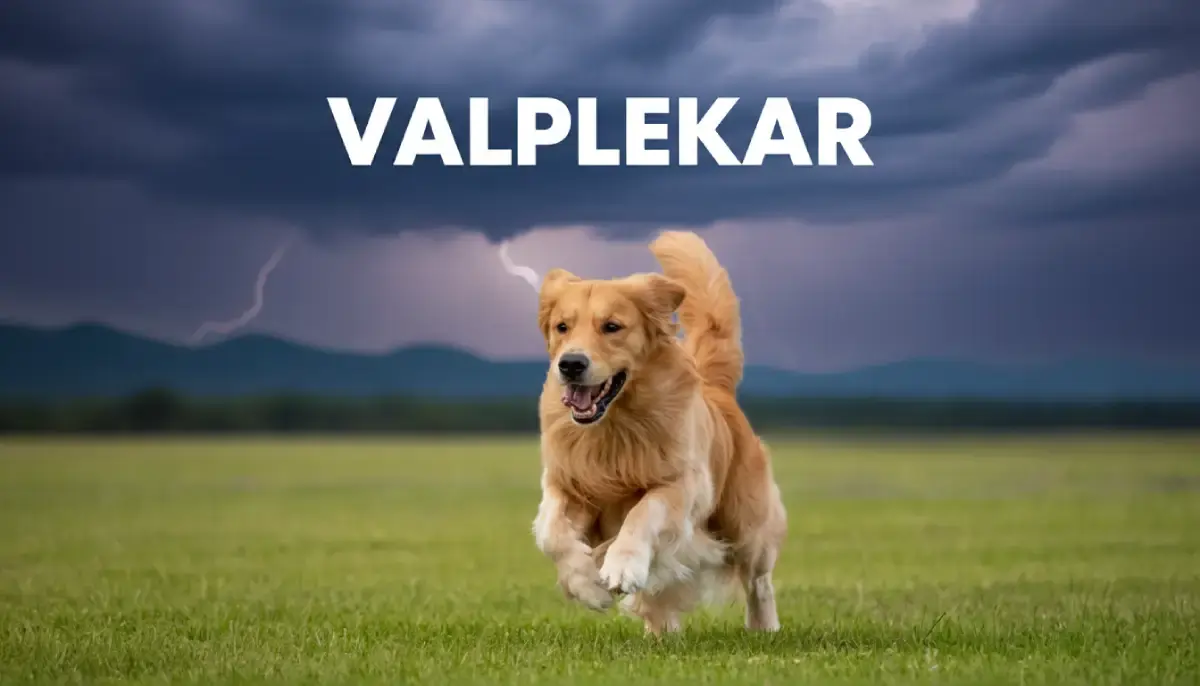
In recent months, the term Valplekar has increasingly appeared across pet forums, blogs, and educational websites, prompting curiosity about its meaning. As The London Magazine notes, the word comes from Swedish — valp meaning puppy and lekar meaning play — describing the natural social play young dogs engage in during early development. Studies in canine behavior suggest that puppies between 3–14 weeks experience their most critical socialization period, and those lacking play interaction are significantly more likely to develop fear-based behavioral issues later in life.
Understanding the Linguistic Origins of Valplekar
How Swedish Compound Words Work
Languages often create compound words to express ideas that English usually explains using multiple terms. Swedish is particularly known for this linguistic pattern. In this structure, individual words combine to form a clear descriptive concept that remains easy to understand in everyday communication.
The Meaning Behind the Word
The compound Valplekar reflects this tradition. In Swedish, valp means “puppy,” while lekar refers to “play” or “games.” Together, the word describes the playful interactions young dogs naturally engage in during early developmental stages. In Sweden, the term is commonly used when discussing puppy socialisation, early behavioural development, and responsible pet care practices.
Misinterpretations Found in Online Content
Importantly, the term Valplekar does not represent a specialized training system or proprietary development method. Some online sources have attempted to attribute deeper or technical meanings to it, presenting it as a structured training philosophy. These interpretations are largely unsupported and risk confusing readers who are trying to understand canine behaviour accurately.
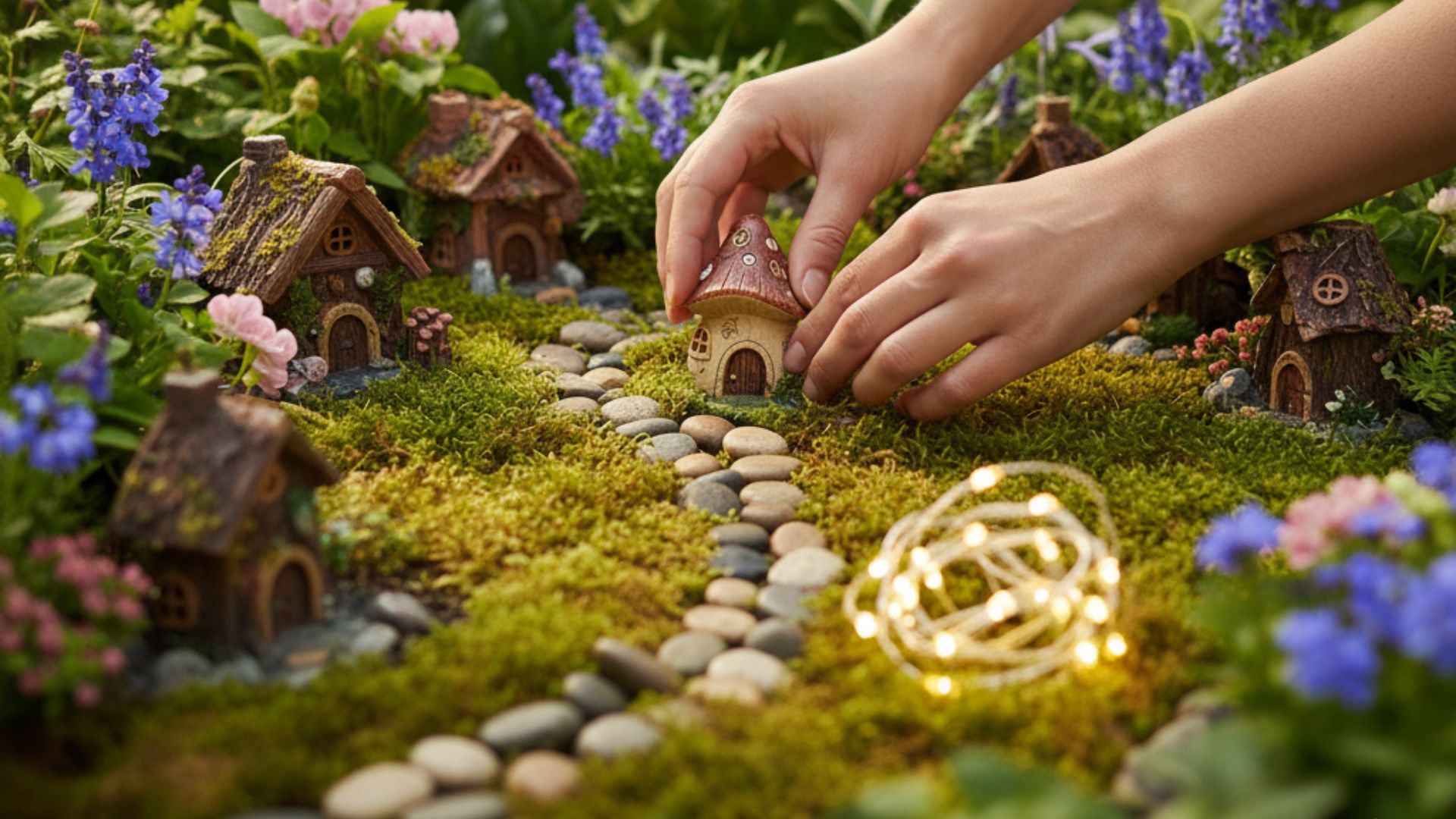
For readers interested in how to apply structured creativity and playful design principles—similar to the thoughtful approach required for puppy development—The London Magazine offers practical guidance in their article on How to Design a Fairy Garden with Fairytale Garden Ideas, which illustrates how planning, creativity, and careful observation can produce enriching environments, whether for puppies or imaginative garden spaces.
Why the Term Appears in English Pet-Care Discussions
As The London Magazine notes in its analysis of global pet-care trends, the growing visibility of the term in English-language content is more likely the result of increased access to Scandinavian animal-behaviour research and the global exchange of dog-training knowledge rather than the emergence of a new training concept.
Why Linguistic Confusion Occurs
Cross-Cultural Terminology in the Digital Age
The internet has dramatically accelerated the circulation of terminology across language boundaries, often without adequate context. A Swedish veterinary article discussing valplekar may be cited, paraphrased, or algorithmically summarised in English-language content without the translator supplying sufficient background. The result is a term that appears meaningful and authoritative but lacks grounding for the average reader.
This kind of linguistic drift is common in specialist fields including animal behaviour research, where Scandinavian countries — particularly Sweden, Norway, and Denmark — have produced significant bodies of peer-reviewed canine science. Terms from these studies often enter popular discourse incompletely explained, contributing to the very confusion this article seeks to resolve.
The Importance of Accurate Explanations
When pet owners encounter unfamiliar terms in content purporting to advise them on their puppy’s development, accuracy matters enormously. Misconceptions about what constitutes normal, healthy play versus problematic behaviour can lead owners to intervene inappropriately — either suppressing beneficial play interactions or failing to recognise signs of distress. Clarity about what valplekar means ensures that the educational value embedded in the concept — the critical importance of puppy play — is not lost in translation.
The Science Behind Puppy Play – What Valplekar Represents
Canine Development Milestones and the Play Window
Canine developmental science has established with considerable precision the stages through which puppies pass in their first months of life. Each stage presents distinct opportunities and vulnerabilities. The socialisation period, generally accepted to run from approximately three to twelve weeks of age, is widely considered the most influential phase in shaping a dog’s long-term temperament and behavioural health.
During this window, the puppy’s brain is uniquely receptive to new experiences. Positive interactions with other dogs, humans, and environmental stimuli during this time create neural pathways that support confident, adaptable adult behaviour. Play — what Swedish researchers and practitioners would call valplekar — is the primary vehicle through which these interactions occur naturally. It is not merely entertainment; it is neurological architecture in progress.
What Puppies Learn Through Play
The behavioural content of puppy play is rich with developmental significance. When puppies tumble, chase, nip, and wrestle with their littermates, they are practising an intricate curriculum of social competence. Key lessons embedded in play include:
- Bite inhibition: Puppies learn through play how much pressure their jaws can exert without causing distress to a companion. When a nip elicits a yelp from a littermate and play briefly stops, the puppy receives immediate feedback calibrating appropriate force. Studies from the American Veterinary Society of Animal Behavior highlight bite inhibition as one of the most critical skills acquired during early play.
- Communication and body language: Play bows, relaxed ear positions, tail carriage, and vocalisation patterns are all rehearsed and refined during play sessions. Dogs that miss this developmental stage often misread or fail to produce appropriate canine social signals.
- Confidence and resilience: Play that includes mild challenges — such as being briefly pinned or chased — teaches puppies that surprising or mildly uncomfortable experiences resolve favourably. This emotional inoculation reduces fear-reactivity in adult dogs.
- Impulse control: The starting and stopping of play, the taking of turns, and the observance of social hierarchies during play episodes all contribute to the developing puppy’s capacity for self-regulation — a trait directly associated with trainability.
Puppy Development Stages and the Role of Play
The following table summarises the key developmental stages in canine early life and the role that play — valplekar — performs at each stage:
| Age Range | Development Focus | Role of Play | Key Milestone |
| 0–2 weeks | Neonatal: sleep, feeding, warmth-seeking | Minimal; reflexive movement only | Eyes and ears still closed |
| 2–4 weeks | Transitional: senses begin opening | Early tactile exploration begins | Eyes and ears open; first vocalizations |
| 3–12 weeks | Primary socialisation window | Critical — play shapes temperament | Bonds with littermates and humans |
| 8–16 weeks | Fear imprint period begins | Play builds confidence and reduces fear | First training responses possible |
| 4–6 months | Juvenile phase; independence grows | Play supports bite inhibition, recall | Adult teeth emerge; training deepens |
| 6–18 months | Adolescent development | Structured play reinforces social rules | Sexual maturity; continued learning |
Sources: American Veterinary Medical Association (AVMA); Association of Pet Behaviour Counsellors (APBC); Swedish University of Agricultural Sciences canine behaviour research.
Common Misconceptions About Valplekar
Misconception 1: Valplekar Is a Proprietary Training Method
One of the more persistent errors found in online content is the suggestion that valplekar refers to a specific, branded training methodology or a proprietary puppy development system. This is factually incorrect. The term describes a natural behaviour — play — and is used generically in Swedish-language canine contexts. No single organisation, trainer, or institution owns the concept.
Misconception 2: The Term Has a Metaphorical or Hidden Meaning
Some content creators, perhaps in an attempt to generate intrigue, have implied that valplekar carries symbolic or metaphorical significance beyond its literal translation. There is no credible linguistic or behavioural science basis for this interpretation. The term is transparent in its construction and consistent in its usage within Swedish veterinary and animal behaviour literature.
Misconception 3: Puppy Play Is Optional or Merely Recreational
Perhaps the most practically damaging misconception is the underestimation of play’s developmental necessity. Some pet owners view puppy play as a bonus — pleasant if it happens, but not essential. The evidence base firmly contradicts this view. A 2010 study published in the journal Applied Animal Behaviour Science found significant associations between early play deprivation and heightened aggression scores in adult dogs. The American Veterinary Society of Animal Behavior’s position statement on puppy socialisation explicitly identifies play with other dogs as a primary mechanism for healthy behavioural development.
Practical Guidance – Encouraging Healthy Valplekar in Your Puppy
Structured Puppy Play Sessions
The most effective form of valplekar is structured but not overly controlled. Owners should allow puppies to engage in natural play with appropriate companions — other vaccinated, healthy puppies of similar size and energy levels — while observing for signs of stress or inappropriate behaviour. Play sessions should be kept short initially (five to ten minutes) and gradually extended as the puppy’s stamina and social skills develop.
Puppy Classes and Socialisation Groups
Professionally run puppy classes offer a safe, supervised environment for valplekar to occur alongside foundational training. The British Veterinary Association and the Kennel Club both recommend enrolment in puppy socialisation classes from approximately seven to eight weeks of age, immediately following the initial vaccination course where local veterinary guidance permits. These classes simultaneously address play behaviour, basic obedience, and owner education — making them one of the highest-value investments a new dog owner can make.
Human-Directed Play and Its Unique Value
While play with other dogs is irreplaceable, human-directed play serves its own essential developmental function. Interactive games such as gentle tug, retrieve, and hide-and-seek with treats cultivate the puppy’s relationship with their owner, reinforce attention and focus, and provide a positive context for the introduction of verbal cues. Importantly, human play also teaches puppies to defer to human direction — a critical skill in households with children or in environments where dog-to-dog contact is limited.
Recognising When Play Is Beneficial vs. Problematic
Signs of Healthy Play
Reciprocal roles (both dogs take turns chasing and being chased), loose body posture, frequent pauses and resets, play bows, and relaxed facial expressions all indicate that valplekar is progressing beneficially. Both participants should appear willing, and neither should consistently seek escape.
Signs That Intervention Is Needed
Continuous one-sided chasing, stiff body posture, tucked tails, pinned ears, excessive vocalisation of distress, or one puppy consistently attempting to disengage signal that play has shifted into a dynamic that may be counterproductive or harmful. Owners should calmly interrupt these sessions and allow puppies to settle before reintroducing interaction.
The Role of Animal Behaviour Research in Elevating Valplekar
Scandinavian Contributions to Canine Science
Sweden and its Nordic neighbours have contributed substantially to the global body of canine behaviour research. Institutions such as the Swedish University of Agricultural Sciences (Sveriges lantbruksuniversitet) have published extensively on dog cognition, welfare, and socialisation. It is within this academic tradition that the term valplekar appears most frequently — not as jargon, but as a natural descriptive term in a field where puppy play is treated as a serious subject of scientific inquiry.
This research tradition has influenced international guidelines on puppy development, including those produced by the International Association of Animal Behavior Consultants (IAABC) and the Association of Pet Behaviour Counsellors (APBC) in the United Kingdom. When English-language sources encounter the Swedish terminology in translated materials, the result is occasionally the circulation of the original term without sufficient contextual explanation — which is precisely how words like valplekar enter online discourse without adequate grounding.
Why This Term Appears in Online Content
The proliferation of valplekar in English-language web content is largely attributable to two overlapping phenomena. First, the increasing translation and republication of Scandinavian pet care content for global audiences has introduced Swedish terminology into English-language blogs and databases. Second, algorithmic content generation has sometimes picked up these terms and reproduced them without accompanying context, contributing to their spread without clarity. Understanding this dynamic helps readers approach such content critically and seek out primary, authoritative sources for guidance on puppy development.
Responsible Pet Ownership and the Lifelong Value of Early Play
Beyond the Puppy Phase – Do Adult Dogs Benefit from Play?
While the developmental case for valplekar is strongest in the early weeks of a puppy’s life, the value of play does not terminate at the end of the socialisation window. Adult dogs that maintain regular play opportunities — both with other dogs and with their owners — show consistently better scores on standardised welfare assessments. Play in adult dogs supports cognitive engagement, physical fitness, stress relief, and the maintenance of social bonds. It also provides a positive outlet for energy that might otherwise manifest as destructive or anxious behaviour.
The Owner’s Role in Facilitating Play
Responsible pet ownership includes an informed understanding of what dogs need, not merely what they want. Valplekar — puppy play — is a biological need during early development, not an indulgence. Owners who appreciate this distinction are better positioned to make structured decisions: enrolling in appropriate classes, selecting compatible playmates, managing play environments, and recognising when a puppy’s social needs are being met or neglected.
This understanding also arms owners with the language and framework to discuss their puppy’s development with veterinary professionals and certified animal behaviourists. An owner who can articulate that their puppy is receiving adequate socialisation and play interaction, and who can describe what they observe during those sessions, is a more effective advocate for their animal’s welfare.
Conclusion
Valplekar is a Swedish term meaning ‘puppy play’ — simple in translation, but profound in what it represents. The play behaviour of young dogs is not incidental to their development; it is foundational. Owners who understand this, and who actively facilitate rich, safe, and structured play experiences for their puppies, are investing in a lifetime of healthier canine behaviour. Prioritise play. Trust the science. Raise a confident dog.
Frequently Asked Questions
What does valplekar mean?
Valplekar is a Swedish compound word meaning ‘puppy play’ or ‘puppy games.’ It describes the natural social play behaviour young dogs engage in during early development.
Why is valplekar important for puppies?
Play is essential during the socialisation window (3–12 weeks). It develops bite inhibition, communication skills, confidence, and impulse control — all critical for healthy adult behaviour.
How can owners encourage healthy puppy play?
Enrol in supervised puppy classes, arrange playdates with vaccinated, size-matched dogs, and include interactive human-directed play daily to support social and cognitive development.
Do adult dogs benefit from play too?
Yes. Adult dogs that play regularly show better welfare scores, reduced stress, improved cognitive engagement, and stronger bonds with their owners throughout their lives.
Why does the term valplekar appear in English online content?
It originates from Scandinavian canine research being translated and republished globally. Algorithmic content tools sometimes reproduce the Swedish term without providing adequate explanatory context.