





What Is Traditional British Food? A Simple Guide for First-Time Visitors
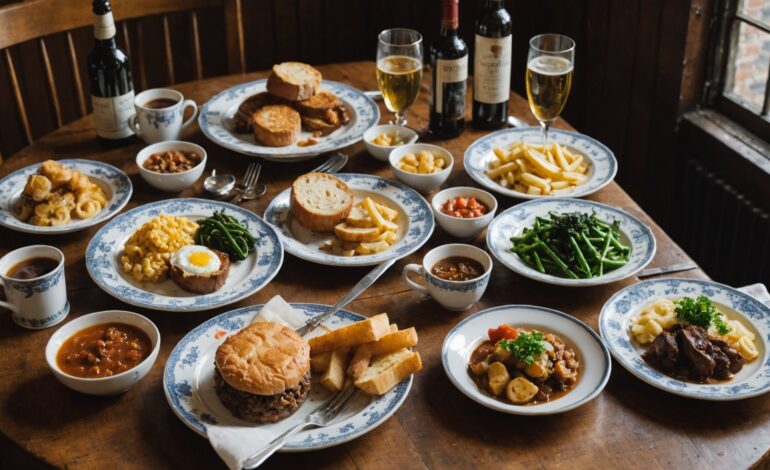

British food often gets a bad reputation. Many people think it’s bland, boring, or not worth trying. This couldn’t be further from the truth. Traditional British cuisine has deep roots in history, uses quality local ingredients, and offers comforting, satisfying flavors that have fed generations.
This guide from The London Magazine explains British food in simple terms for first-time visitors. Whether you’re planning a trip to the UK or just curious about British cuisine, you’ll learn about the essential dishes, cultural traditions, and regional specialties that make British food worth exploring. From hearty pub meals to elegant afternoon tea, this article will help you understand and enjoy British chow with confidence.
What Makes Food “British”?
The Basics of British Cuisine
Traditional British food means dishes that British families have cooked for generations. The cuisine focuses on simple cooking methods that let quality ingredients shine. Unlike cuisines built on complex spices or sauces, British cooking keeps things straightforward.
Why British Food Tastes the Way It Does
The British climate shaped what people could grow and eat. The weather favors root vegetables like potatoes and carrots, hardy greens like cabbage, grains, dairy products, and plenty of meat from sheep and cattle. Coastal areas have always relied heavily on fish and shellfish.
For centuries, UK Lifestyle people ate what was in season because they had no choice. Winter meant preserved meats and root vegetable stews. Spring brought fresh lamb and early greens. Summer offered berries and salads. Autumn delivered game meats and hearty dishes. This seasonal approach is built into British eating food culture.
Regional Differences Matter
“British food” isn’t one single thing. Different regions developed their own specialties based on what grew or was raised locally. Coastal towns created fish dishes. Farming areas perfected meat pies and roasts. Mountain regions relied on sheep, creating unique lamb recipes.
These regional traditions still matter today. They’re part of local identity and pride.
The Most Popular British Dishes
Fish and Chips
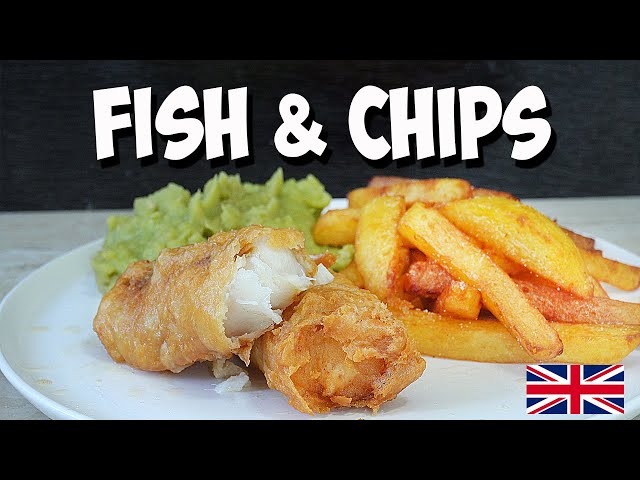
Fish and chips tops every list of popular British food. This simple combination of battered white fish (usually cod or haddock) and thick-cut fried potatoes became a working-class favorite in the 1800s. Today, people from all backgrounds love it.
The dish works because it’s satisfying, affordable, and uses excellent British fish. You’ll find fish and chip shops in nearly every British town.
Sunday Roast
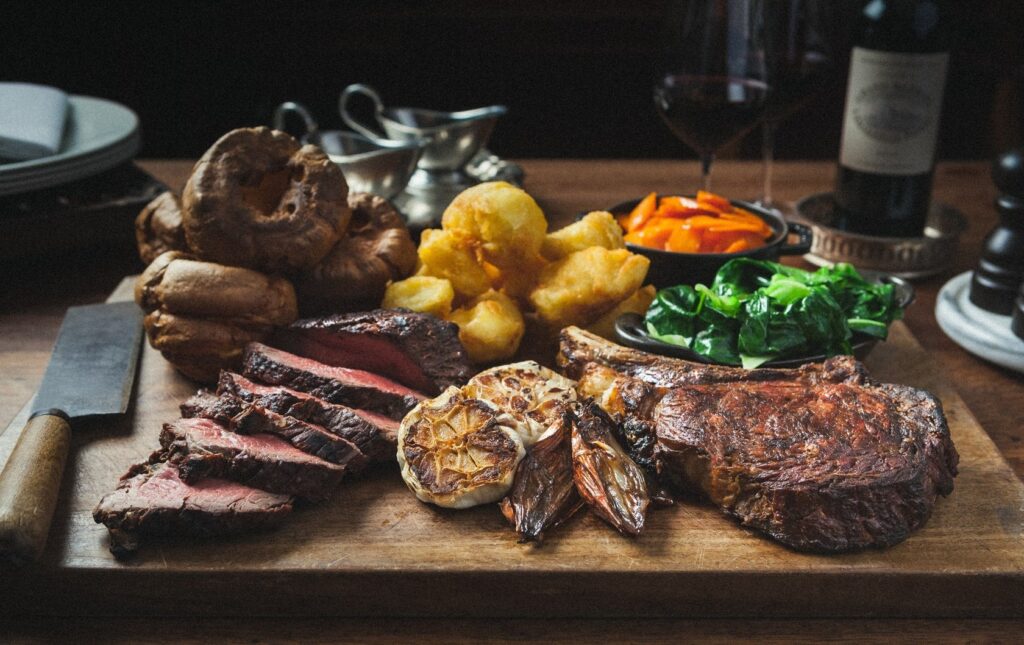
The Sunday roast is British food at its most traditional. Families gather on Sunday afternoons to eat roasted meat (beef, lamb, chicken, or pork), roast potatoes, Yorkshire pudding, seasonal vegetables, and rich gravy.
This isn’t just a meal—it’s a weekly ritual. According to VisitBritain, millions of British families still eat Sunday roast together every week. It represents hospitality, family time, and comfort.
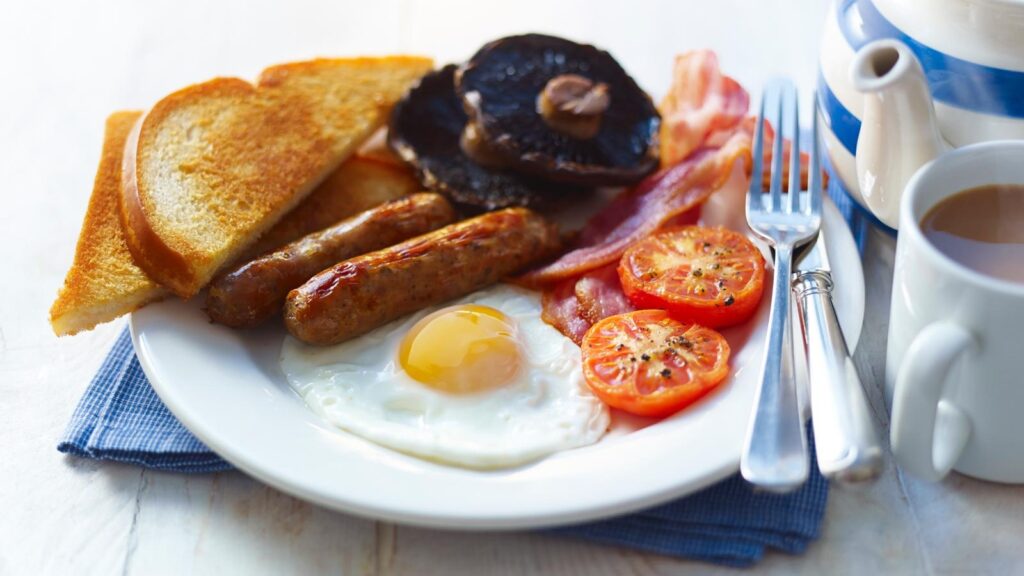
Full English Breakfast
The full English breakfast includes eggs, bacon, sausages, baked beans, grilled tomatoes, mushrooms, and toast. Some versions add black pudding (a type of blood sausage).
Most British people don’t eat this every day. It’s a weekend treat, a hotel breakfast, or a special occasion meal. But it remains the definitive British breakfast.
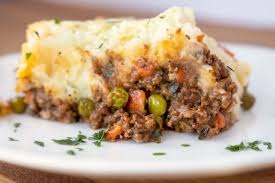
Shepherd’s Pie and Cottage Pie
These baked dishes layer minced meat with vegetables and top it with mashed potato. Shepherd’s pie uses lamb. Cottage pie uses beef.
Originally, these dishes used leftover roasted meat. Now they’re popular meals in their own right, appearing regularly in homes and British pubs.
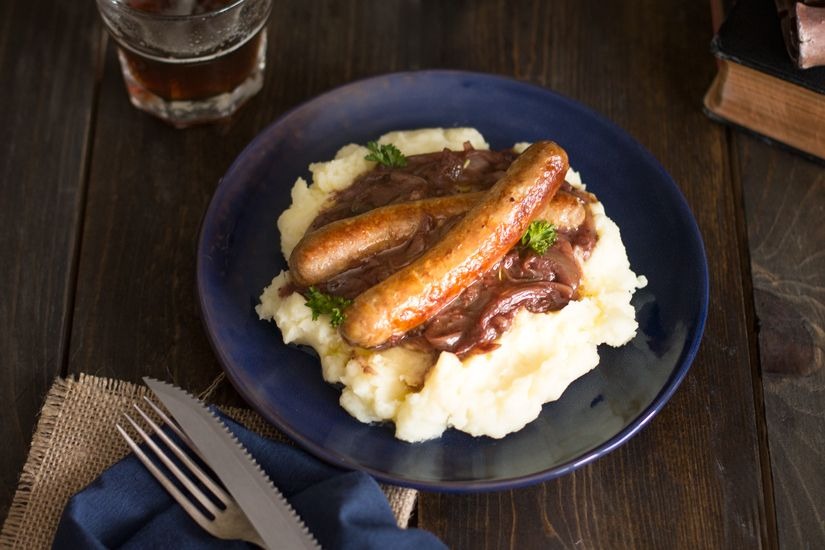
Bangers and Mash
Bangers means sausages (the name supposedly comes from the sound they made bursting in the pan during wartime). Served with creamy mashed potatoes and onion gravy, this simple combination appears on pub menus across the UK.
Why These Dishes Became So Popular
These foods became classics because they’re filling, affordable, and made from ingredients available throughout the UK. They also adapt well to regional variations while keeping their basic character.
Understanding British Meals and When People Eat Them
Breakfast: Light or Heavy
British breakfast ranges from simple toast and tea on weekdays to the full English on weekends. Hotels typically offer both light options (toast, cereal, yogurt) and cooked breakfast.
Scottish breakfast includes tattie scones (potato scones) and sometimes haggis. Welsh breakfast might feature laverbread (made from seaweed) and cockles.
Lunch: Quick and Simple
British lunch traditionally means a light midday meal. Common choices include:
- Sandwiches
- Soup
- Jacket potatoes with various fillings
- Ploughman’s lunch (bread, cheese, pickles, and salad)
In British pubs, lunch might mean fish and chips, a meat pie, or a smaller portion of dinner dishes.
Dinner: The Main Meal
Dinner (called “tea” in many Northern regions) is the main meal of the day. British families typically eat between 6 and 8 PM—earlier than many European countries.
Home-cooked dinners often feature meat or fish with potatoes and vegetables. Popular choices include roast chicken, grilled chops, sausages, or casseroles.
Sunday Lunch: A Special Category
Sunday lunch deserves separate mention. This midday meal centers on roasted meat with all the traditional accompaniments. Families often spend hours preparing and eating it together. It’s as much about gathering as about food.
Pub Food Culture
British pubs serve hearty, simple dishes designed to go with beer and conversation. Expect pies (steak and kidney, chicken and mushroom), scotch eggs, sausage rolls, and ploughman’s platters.
Quality varies greatly. Some pubs reheat frozen food while gastropubs offer restaurant-quality cooking. Choose carefully.
British Fast Food – More Than Just Chains
What “British Fast Food” Really Means
The term British fast food is different from American fast food chains. While international franchises exist in the UK, British eating food has its own character, often drawing from traditional dishes.
Fish and Chip Shops: The Original Fast Food
Fish and chip shops have served hot, fresh food for over 150 years. Traditional shops fry fish when you order it, wrap it in paper, and serve it with salt and vinegar. You can add mushy peas or curry sauce.
These shops remain everywhere in Britain, from small villages to big cities.
Pie and Mash Shops
Especially in London, pie and mash shops serve traditional fast food. They specialize in meat pies with mashed potatoes and “liquor” (a parsley sauce, not alcohol). This working-class meal dates back to Victorian times.
Modern British Fast Food Chains
Chains like Greggs have become British institutions. They sell sausage rolls, pasties, sandwiches, and baked goods at affordable prices. Greggs serves millions of customers daily with quintessentially British portable food.
How Fast Food Adapted to British Tastes
Even international chains modify their menus for the UK market. British fast food chains emphasize British ingredients and flavors. The focus stays on quality bread, simple fillings, and straightforward preparation.
Regional Foods Across the UK
England’s Regional Variety
England itself has remarkable differences from region to region:
- Cornwall (southwest): Famous for Cornish pasties—hearty pastries filled with beef, potato, swede, and onion. Miners once carried these underground for lunch.
- Lancashire (northwest): Known for Lancashire hotpot—a lamb and potato casserole cooked slowly in a special pot.
- The Midlands: Home of pork pies, especially the Melton Mowbray version with hand-raised pastry.
- Yorkshire (northeast): Synonymous with Yorkshire pudding, parkin (gingerbread), and Wensleydale cheese.
Scotland’s Proud Food Traditions
- Haggis: Scotland’s most famous dish combines sheep’s heart, liver, and lungs with oats, onion, and spices. Despite sounding unusual, properly made haggis tastes richly savory. It’s traditionally served with neeps and tatties (turnips and potatoes).
- Scottish breakfast: Includes square sausage, tattie scones, and black pudding.
- Cullen skink: A creamy smoked haddock soup from the northeast coast.
- Scotch broth: A hearty soup with lamb and barley.
Wales and Its Distinctive Dishes
- Welsh rarebit: Not rabbit—it’s a rich cheese sauce with mustard and ale, poured over bread and grilled.
- Cawl: The national dish of Wales. This warming soup-stew features lamb or beef with root vegetables and leeks.
- Laverbread: Made from seaweed, traditionally served with bacon and cockles as part of Welsh breakfast.
- Welsh cakes: Small griddle cakes with currants, found in bakeries throughout Wales.
Why Regional Food Matters
Local ingredients reflect the specific conditions of their home areas. Scottish beef and lamb, Welsh lamb, Cornish seafood, and regional cheeses all taste different because of where they come from.
These regional differences represent cultural identity. People take pride in their local foods and traditional ways of making them.
Wild Foods and Seasonal Eating
The Tradition of Foraging
British wild food traditions go back centuries. Before modern farming, rural communities gathered wild foods to supplement their diets. Blackberries, elderflowers, wild garlic, nettles, and mushrooms were collected seasonally. Coastal areas gathered mussels, cockles, and edible seaweeds.
Common Foraged Ingredients Today
Some foraged foods still appear in British cooking:
- Elderflowers (late spring): Make cordial, champagne, and fritters.
- Blackberries (late summer): Become crumbles, jams, and pies.
- Wild garlic (spring): Used in pestos and soups.
- Sloes (autumn): Steeped in gin to create sloe gin, a traditional country drink.
- Mushrooms (autumn): Enhance dishes for those confident in identifying safe varieties.
Game Meats
Pheasant, partridge, grouse, venison, rabbit, and hare have featured in British diets for centuries. The game season runs from autumn through winter. These meats offer leaner, more intensely flavoured alternatives to farmed meat.
The Return of Seasonal Eating
Seasonal eating naturally accompanied wild food traditions. British cuisine developed around what was available each season.
This approach is experiencing renewed interest. Farmers’ markets emphasize seasonal produce. Restaurants build menus around what’s available now rather than importing everything year-round. Home cooks increasingly seek British-grown seasonal ingredients.
Experiencing Wild Food as a Visitor
Some restaurants specialize in foraged and wild ingredients, particularly in rural areas and Scotland. Farmers’ markets offer game meats and foraged products. Simply trying seasonal dishes in traditional restaurants gives you a taste of this aspect of British culture.
British Desserts and Tea Culture
What “Pudding” Means
In British English, “pudding” means dessert in general, not just pudding as Americans understand it. When British people mention pudding, they might mean ice cream, fruit crumble, or cake. The dessert menu is often called the “pudding menu.”
Traditional British Puddings
- Sticky toffee pudding: A moist sponge cake with dates, covered in toffee sauce. It’s become internationally famous.
- Bread and butter pudding: Transforms leftover bread by baking it with custard, sugar, and dried fruit.
- Spotted dick: A suet pudding with currants, traditionally served with custard.
- Summer pudding: Layers of fresh berries inside bread soaked with fruit juice.
Crumbles and Fruit Dishes
Apple crumble combines stewed apples with a buttery, crumbly topping. Rhubarb crumble appears in spring. Berry crumbles use summer fruit.
These desserts show British cooking philosophy—simple preparation that lets quality ingredients speak for themselves.
British Baking Traditions
- Victoria sponge: Two layers of sponge cake with jam and cream filling, named after Queen Victoria.
- Scones: Essential to afternoon tea, served warm with clotted cream and jam.
- Battenberg cake: Pink and yellow sponge in a checkerboard pattern, wrapped in marzipan.
- Bakewell tart: Features almond filling.
- Treacle tart: A traditional sweet made with golden syrup.
Afternoon Tea Explained
Afternoon tea became popular in the 1840s. It involves serving tea with:
- Finger sandwiches (bottom tier)
- Scones with clotted cream and jam (middle tier)
- Small cakes or pastries (top tier)
Most British people don’t have afternoon tea regularly, but it remains a significant cultural tradition. Hotels and tearooms throughout the UK offer it to visitors.
Cream Tea: A Simpler Version
Cream tea serves tea with scones, clotted cream, and jam. There’s a lighthearted debate between Devon and Cornwall about whether cream or jam should go on the scone first.
Tea Culture
British people drink tea throughout the day—at breakfast, mid-morning, lunch, afternoon, and evening. “Having a cuppa” means more than drinking tea. It’s a social ritual, a pause in the day, and an opportunity for conversation.
Many British baked goods are specifically designed to accompany tea. Making tea provides comfort. Offering tea welcomes guests.
British Food Hampers Explained
What Is a Food Hamper?
A British food hamper is a basket or box containing a curated selection of British nosh, usually high-quality or luxury items. Hampers serve as gifts for special occasions—Christmas, birthdays, anniversaries, or thank-you gestures.
The tradition dates to Victorian times, when wealthy households prepared food baskets for those less fortunate.
What’s Inside a Typical Hamper
A standard hamper might include:
- Preserves and condiments (marmalade, chutney, mustards)
- Biscuits and crackers (shortbread, oatcakes)
- Cheese (Cheddar, Stilton, regional varieties)
- Tea and coffee
- Chocolate and traditional sweets
- Savoury items (smoked salmon, pork pies)
- Beverages (wine, whisky, craft beers)
- Seasonal items (Christmas pudding, mince pies)
Why Hampers Matter
Receiving a hamper shows thoughtfulness and generosity. The variety of items lets recipients sample British foods they might not buy themselves. Hampers emphasise quality and tradition rather than mass-market products.
Regional Hampers
Different regions create hampers featuring local specialities. A Scottish hamper might include whisky, smoked salmon, and shortbread. A West Country hamper could feature Cornish clotted cream, Cheddar cheese, and cider.
Hampers for Visitors
For visitors, hampers offer a convenient way to bring British food home. Airport shops and food halls sell hampers in various sizes. They make excellent edible souvenirs.
How British Food Has Changed
The Impact of Immigration
Immigration after World War II transformed the UK food significantly. Caribbean communities brought new flavours and cooking styles. South Asian immigration introduced curry houses that became deeply integrated into British culture. Chinese takeaways appeared in nearly every town.
These influences didn’t replace traditional British food. They expanded what the British people eat regularly.
Curry in British Culture
British-Indian cuisine developed as its own category. Dishes like chicken tikka masala became so popular that they were once proposed as a British national dish. Most British towns have multiple curry houses, and “going for a curry” is a favourite British activity.
Modern British Cuisine
In recent decades, chefs began elevating traditional British cooking with refined techniques and seasonal British ingredients. This movement examined classic dishes and improved them—better fish and chips, elevated pies, and traditional desserts with modern presentation.
Gastropubs applied restaurant-quality cooking to pub classics. Michelin-starred restaurants demonstrated that British ingredients could match any cuisine when treated with skill.
The Food Movement
Movements focusing on organic farming, local food, and sustainability have influenced British food significantly. Farmers’ markets became popular. Restaurants established relationships with local farms. Consumers became more conscious of where their food comes from.
Traditional Food Persists
Despite all these changes, traditional British dishes remain strong. Sunday roasts still bring families together. Fish and chips remain beloved. British baking thrives.
The evolution of nosh food hasn’t meant abandoning tradition. It has expanded the options while maintaining respect for heritage dishes.
Where to Eat and What to Order
Choosing Good Places to Eat
British pubs: Offer the easiest introduction to traditional food. Look for pubs advertising “home-cooked food” or with chalkboard menus listing seasonal specials. This suggests fresh cooking rather than reheated frozen meals.
Traditional cafés: Serve reliable British meals throughout the day, often at good value.
Markets and food halls: Showcase UK food diversity. Borough Market in London is famous, but similar markets exist throughout the UK.
Hotels: Typically serve good breakfasts, especially smaller establishments that take pride in their full English breakfast.
What First-Time Visitors Should Order
Essential dishes to try:
- Fish and chips from a quality fish and chip shop
- Sunday roast on Sunday lunchtime
- Full English breakfast
- Meat pies (steak and kidney, chicken and mushroom)
- Sticky toffee pudding or apple crumble for dessert
Good pub choices:
- Any properly made pie
- Bangers and mash
- Fish pie
- Cheese board featuring regional cheeses
Avoiding Tourist Traps
Warning signs:
- Restaurants in central tourist areas with very high prices
- Photographs of food on outdoor signs
- Excessive multilingual menus
- Aggressive street touting
Better strategies:
- Walk a few streets away from major attractions
- Look for restaurants serving local people
- Read online reviews carefully
- Ask locals for recommendations
Practical Dining Information
Timing: British restaurants often stop serving food by 9 PM, sometimes earlier. Plan dinner accordingly. Breakfast service typically ends by 11 AM.
Booking: Popular restaurants fill up, especially for Sunday roast. Book ahead when possible.
Tipping: In restaurants, 10-12% is standard for good service. Check if service is already included on your bill. Pubs don’t require tips for drinks at the bar.
Meal pace: British dining moves more leisurely than in some countries. Meals are meant to be enjoyed without rushing.
Dietary Considerations
Vegetarian options have expanded significantly. Most establishments offer several vegetarian dishes. Vegan options are increasingly available, particularly in cities.
If you have dietary restrictions or allergies, tell restaurant staff clearly. British regulations require restaurants to provide allergen information.
Final Thoughts
Traditional grub deserves a fresh perspective beyond old stereotypes. It reflects centuries of local ingredients, seasonal cooking, and regional identity, offering comfort and a connection to tradition. First-time visitors can enjoy genuine cultural experiences through Sunday roasts, fish and chips, regional specialties, and afternoon tea.
The London Magazine encourages exploring beyond tourist spots to discover pubs, markets, and eateries where locals dine. British cuisine remains evolving yet rooted in history, providing insight into British life, values, and culinary heritage.
Frequently Asked Questions
What are traditional British foods?
Traditional British food consists of dishes passed down through generations, emphasizing seasonal ingredients and simple preparation. Core dishes include Sunday roast, fish and chips, shepherd’s pie, and full English breakfast.
What is the most popular British food?
Fish and chips is probably the most popular British dish, loved across all regions and social classes. Sunday roast rivals it in cultural importance as a beloved weekly family tradition.
Is British food good for tourists?
Yes. British food offers hearty, satisfying meals representing genuine cultural traditions. Visitors who choose traditional pubs, family-run restaurants, and quality fish and chip shops discover authentic experiences worth having.
What should first-time visitors try?
Prioritize fish and chips from a quality shop, Sunday roast with all accompaniments, and traditional full English breakfast. Try regional specialties like Cornish pasties, afternoon tea, and sticky toffee pudding.
How has British food changed recently?
British food has evolved through immigration, sustainability movements, and increased global awareness. Curry became deeply integrated into British culture, while modern cuisine elevated traditional dishes using refined techniques and seasonal ingredients.
Do British people really drink that much tea?
Yes. Tea remains the beverage that ties British culture together. British people drink tea throughout the day—at breakfast, mid-morning, lunch, afternoon, and evening as a social ritual.