






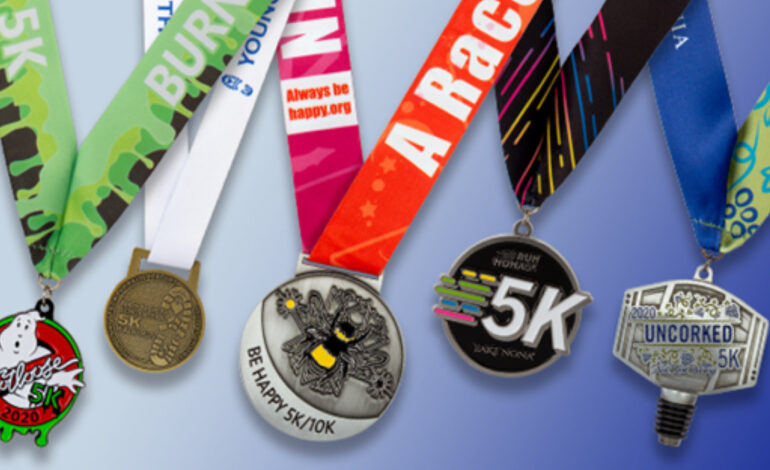

Athletic achievement deserves meaningful recognition. Whether you’re organizing a local youth tournament, planning a school sports day, or coordinating a major championship event, understanding how to select appropriate sports medals transforms simple acknowledgment into lasting motivation.
This comprehensive guide from The London Magazine explores everything you need to know about choosing, customizing, and presenting athletic awards that genuinely honor participant effort and achievement.
Why Sports Medals Matter in Modern Athletics
Recognition through physical awards plays a meaningful role in how athletes connect with sport. Especially for younger participants, tangible acknowledgment reinforces effort, motivation, and positive engagement.
This importance is reflected in market growth. The global sports awards and trophies market reached USD 4.1 billion in 2024 and is projected to grow at 5.2% annually through 2033, driven by expanding sports participation across professional, academic, and corporate sectors.
Unlike digital recognition, medals often become lasting keepsakes. Athletes retain and display them long after competition, strengthening memories of achievement and personal development.
The Retention Challenge in Youth Sports
Youth sports face high dropout rates. According to the Sports & Fitness Industry Association, nearly 70% of children leave organized sports by age 13, limiting long-term physical and social benefits.
Programs that combine competitive recognition with participation-based awards help counter this trend by creating positive early experiences that encourage continued involvement.
The Global Tradition of Athletic Recognition
Athletic recognition has existed for centuries, evolving from symbolic honors in ancient competitions to modern medals used worldwide today.
The global sports industry, valued at roughly USD 600 billion and followed by over 3.5 billion fans, applies recognition systems at every level. England’s top-four seeding in the 2026 FIFA World Cup Draw reflects how achievement is acknowledged consistently, from elite tournaments to grassroots sports, reinforcing the universal value of honoring athletic effort.
Understanding Different Types of Sports Medals
Not all medals serve identical purposes. Selecting the right type requires understanding the specific recognition needs your event addresses.
Championship vs. Participation Recognition
Championship Recognition
Championship medals highlight achievement with larger sizes, quality materials, and clear gold, silver, or bronze indicators. Adult medals typically measure 2.75–3.5 inches and include engraving space.
Participation Recognition
Participation awards focus on effort and completion, helping youth programs balance competition with encouragement. According to the American Psychological Association, such recognition boosts self-esteem and encourages continued sports involvement.
The Debate Around Participation Recognition
Participation awards are debated among coaches and parents—critics worry they may reduce competitiveness, while supporters emphasize their role in keeping children engaged.
For children under 13, participation recognition builds confidence and program loyalty. As athletes mature, most programs shift toward performance-based awards around ages 13–14.
Youth Sports Medals for participation are typically 1.5–2 inches, lightweight, sport-specific, brightly colored, safe to wear, and cost-effective for larger groups.
Sport-Specific Design Considerations
Generic medal sports designs work adequately for multi-sport events, but sport-specific customization adds meaningful context. A football Sports Medals featuring a detailed boot and ball design resonates more deeply with recipients than generic athletic imagery.
Common sport-specific design elements include football/soccer (boots, balls, goalposts), athletics (running figures, hurdles, stopwatches), swimming (swimmers in motion, pool lanes), cycling (bicycles, wheels, helmets), and team sports (sport-specific equipment combined with team dynamics imagery).
What Makes Quality Sports Medals
Material selection fundamentally impacts both the recipient’s perception of value and your budget allocation. Understanding material properties helps match construction to event significance.
Traditional Metal Medals
- Zinc alloy: remains the standard for competitive athletics globally. This versatile metal accepts fine detail through die-striking processes, maintains dimensional stability over decades, and provides satisfying weight at reasonable costs. Most custom sports medals for school and regional competitions utilize zinc alloy construction.
- Brass medals: offer premium alternatives for special championships. The material’s natural golden tone creates inherent prestige, though increased cost typically restricts usage to smaller quantities or highest-tier awards.
Comparing Sports Medals Materials
| Material | Best For | Typical Lifespan | Detail Capacity | Weight |
| Zinc Alloy | Regional competitions, school events | 20+ years | Excellent fine detail | Moderate |
| Brass | Premium championships, special awards | 30+ years | Excellent fine detail | Heavier |
| Acrylic | Youth programs, themed events | 10-15 years | Good for printed graphics | Very lightweight |
| Resin | Mid-tier events, 3D designs | 15-20 years | Excellent sculptural detail | Light to moderate |
Modern Alternative Materials
- Acrylic medals: revolutionized youth sports recognition, offering lightweight alternatives that accommodate full-color printing and vibrant designs impossible with traditional metals. Manufacturing advances have reduced acrylic production costs significantly, with prices dropping approximately 25% since 2020 as eco-friendly materials gain industry adoption.
- Resin medals: occupy the middle ground between metal tradition and acrylic innovation. Three-dimensional molding creates sculptural sport-specific designs while maintaining moderate pricing.
Surface Finishes and Their Impact
Surface treatment significantly affects perceived value and photographic appearance. Polished finishes create reflective surfaces that photograph brilliantly at award ceremonies, making them standard for championship competitions. Antique finishes apply controlled oxidation, creating vintage aesthetics popular with heritage sporting events. Matte finishes offer contemporary alternatives with reduced glare, particularly valuable for outdoor events.
How to Choose the Right Sports Medals for Your Event
Effective medal selection aligns multiple factors: participant demographics, event significance, budget constraints, and organizational goals.
Age-Appropriate Selection
Ages 4-8: Early Youth Development
Young children require lightweight designs that won’t overwhelm small frames or create safety concerns. Optimal specifications include a maximum 1.75-inch diameter, acrylic or lightweight resin construction, bright, simple imagery, shorter ribbon lengths, and rounded edges. At this developmental stage, design complexity matters less than color vibrancy and safe wearability.
Ages 9-12: Pre-Teen Competitive Awareness
As competitive awareness develops, medals should reflect a growing athletic identity. Recommended features include 2-2.25 inch diameter, sport-specific designs, metal or high-quality resin construction, introduction of placement hierarchy (gold/silver/bronze), and moderate customization.
Ages 13+: Teen and Adult Recognition
Mature athletes expect awards reflecting competitive seriousness. Appropriate characteristics include 2.5-3+ inch diameter for significant achievements, premium metal construction for championships, detailed customization, professional presentation, and substantial weight conveying importance.
Sizing Strategy for Different Award Tiers
| Size Category | Diameter | Best Use Case | Typical Weight | Visual Impact |
| Extra Large | 3+ inches | Overall champions, MVPs | 80-120g | Statement display piece |
| Large | 2.75-3 inches | Age-group champions | 50-80g | Prominent recognition |
| Medium | 2-2.5 inches | Runners-up, category awards | 30-50g | Balanced acknowledgmet |
| Small | 1.5-2 inches | Participation, preliminaries | 15-30g | Inclusive recognition |
Design Elements That Matter
Effective custom medals balance visual impact with practical considerations. High contrast between background and raised elements ensures visibility during presentations and in photographs. Text legibility remains critical—all engraved or printed text must remain readable as medal size decreases. Cultural sensitivity matters for international events or multicultural programs to avoid imagery carrying unintended meaning.
Ribbon Selection and Safety
The ribbon transforms a medal into a wearable award. Standard 7/8-inch grosgrain ribbon works for most applications. Length considerations include youth (ages 4-8) at 24-26 inches, pre-teen (ages 9-12) at 28-30 inches, and teen/adult at 32-36 inches.
Safety-release mechanisms prevent strangulation hazards in youth sports—quick-release clasps allow ribbons to detach under pressure, meeting safety standards without compromising award presentation.
Customization and Personalization Options
Customization transforms generic recognition into personally meaningful keepsakes that recipients treasure for decades.
Engraving Techniques and Applications
- Laser engraving: uses focused light beams to permanently mark surfaces, enabling fine text down to 1mm height, complex graphics and logos, and consistent quality across large orders. The permanent mark resists fading, rubbing, or environmental degradation.
- Mechanical engraving: employs rotating carbide tools cutting into metal surfaces, creating dimensional depth some organizations prefer for traditional aesthetics.
Color Application Methods
- Digital Printing: applies full-spectrum graphics, enabling photographic reproduction quality, unlimited color combinations, complex gradients, and quick turnaround. Digital printing excels for charity events, themed competitions, and contemporary designs.
- Soft Enamel Filling uses traditional techniques where colored epoxy resin fills recessed areas, creating dimensional texture. This method offers vibrant, long-lasting colors, traditional craftsmanship aesthetic, and good value for custom designs.
- Hard Enamel (Cloisonné): involves multiple applications and polishing stages, creating perfectly smooth surfaces. Championship-level competitions often specify hard enamel for its exceptional durability and premium appearance.
Personalization Strategies
Pre-event customization: adds event details during manufacturing (tournament name, year, competitive category, organization branding, achievement level). This approach keeps per-unit costs manageable through batch processing.
Post-event personalization: adds recipient-specific details after results are determined (individual names, finishing times or scores, specific accomplishments, personal messages). Organizations serious about recognition increasingly invest in post-event personalization, recognizing its powerful impact on recipient sentiment.
Sports Medal Display – Showcasing Athletic Achievement
Proper display extends the recognition’s impact from the ceremony to daily life. Athletes displaying their awards reinforce positive associations with sport participation and personal achievement.
Display Solutions for Different Contexts
Purpose-built sports medal display systems range from simple wooden bars to elaborate multi-tier racks. Wall-mounted racks work well for serious athletes accumulating substantial collections, while desktop stands suit occasional competitors or young athletes with smaller collections.
For particularly significant awards, shadow box framing creates a museum-quality presentation. These enclosed displays protect medals from dust and handling while creating a professional exhibition. Individual medal cases provide a premium presentation for the highest-tier awards, with velvet-lined boxes immediately conveying significance.
The Psychology of Display
Research examining displayed awards’ effects on continued athletic participation reveals significant patterns. Athletes who prominently display their awards demonstrate increased training consistency, enhanced goal-setting behavior for future competitions, and stronger identification with athletic identity.
The visible reminder of past achievement creates psychological momentum, encouraging future effort. This effect proves particularly strong in youth athletes ages 10-16, when athletic identity formation critically influences long-term participation.
Budget Planning and Procurement Strategy
Strategic procurement balances quality, customization, and fiscal responsibility—ensuring recognition programs remain sustainable year over year.
Understanding Pricing Structures
| Price Range | Per-Unit Cost | Quantity Range | Typical Features | Best For |
| Entry-Level | £0.80-£2.50 | 100+ units | Basic designs, single-color ribbons | Large participation programs |
| Mid-Range | £2.50-£6.00 | 25-200 units | Quality metal, moderate customization | School competitions, tournaments |
| Premium | £8.00-£20.00+ | 10-100 units | Custom dies, superior materials | Championships, career achievements |
Volume Discount Strategy
Suppliers structure pricing to encourage larger orders. Discount thresholds typically occur at 25-50 units (10-15% reduction), 100 units (20-25% reduction), 250 units (30-35% reduction), and 500+ units (35-40%+ reduction).
Organizations managing multiple events throughout the year should consider consolidated ordering. Purchasing 500 generic participation medals at once, then customizing subsets for different events, can reduce per-unit costs by 30-40% compared to multiple small orders.
Total Cost Analysis Framework
Responsible budgeting encompasses all expense categories, not merely base unit pricing. Direct medal costs include base pricing, customization fees, and setup charges. Delivery costs encompass shipping, expedited premiums, and insurance. Contingency expenses cover rush production charges, reorders, and replacements.
Financial planning that accounts only for base unit pricing typically underestimates total program costs by 15-30%. Comprehensive budgeting prevents year-end surprises.
Strategic Supplier Selection
Choosing reliable suppliers extends beyond price comparison. Key evaluation criteria include sample quality, production capacity and turnaround reliability, communication responsiveness, proof approval processes, quality guarantee policies, customer references, design assistance capabilities, and reorder system efficiency.
Timeline Planning and Production Scheduling
Procurement delays represent the most common failure point in medal programs. Strategic timeline planning prevents last-minute crises.
Standard Production Timelines
| Medal Type | Processig | Productin | Shippig | Total Timeline |
| Stock/Catalog | 1-2 days | 3-5 days | 3-7 days | 1-2 weeks |
| Semi-Custom | 2-4 days | 7-10 days | 3-7 days | 2-3 weeks |
| Fully Custom | 1-2 weeks | 2-3 weeks | 3-7 days | 6-8 weeks |
Seasonal Considerations
Sports events peak in spring, autumn, and summer, often extending production timelines by 25–50%. Ordering 8–10 weeks in advance is ideal, while winter offers faster turnaround and better pricing.
Rush Production Reality
Rush orders increase costs by 25–50% or more and rarely fix poor planning, as design and approvals still take time.
Common Procurement Mistakes and How to Avoid Them
Learning from typical errors prevents costly mistakes and program disappointment.
Mistake 1: Inadequate Lead Time Planning
Organizations treat medal ordering as an afterthought rather than an integral event planning component. The solution involves integrating recognition planning into initial event organization. When scheduling competition dates, simultaneously establish medal style requirements, budget allocation, procurement timeline with specific milestones, supplier research process, and approval workflow.
Mistake 2: Insufficient Quality Verification
Organizations approve digital proofs without requesting physical samples, only discovering quality issues upon bulk delivery—too late for corrections. Always request physical samples for new suppliers or untested designs. Conduct a multi-stakeholder proof review, checking spelling, dates, logos, colors, and sizing. The £30-50 sample investment protects bulk orders worth hundreds or thousands.
Mistake 3: Overlooking Hidden Costs
Budget planning focuses solely on per-unit pricing, ignoring customization fees, shipping costs, setup charges, and potential rush fees. Request itemized quotations detailing every cost component, including base pricing, all customization charges, setup or die-creation fees, shipping costs with insurance, and payment terms.
Mistake 4: Mismatched Recognition Hierarchy
Insufficient differentiation between championship awards and participation recognition undermines program credibility. Establish clear recognition tiers matching competitive structure with distinct awards for championship events versus participation events.
Mistake 5: Poor Distribution Planning
Beautiful medals arrive on time, but disorganized distribution creates ceremony chaos. Pre-sort medals by category, division, and placement. Create a distribution checklist matching registration data. Assign specific personnel to medal distribution roles. Prepare backup medals for last-minute changes. Plan presentation ceremony flow and timing.
Making Your Recognition Program Successful
Effective recognition extends beyond selecting quality medals to creating meaningful experiences that motivate continued participation.
Integration with Broader Recognition Culture
Organizations achieving the highest retention rates embed medal presentation within comprehensive recognition frameworks. Build anticipation by showcasing medals in promotional materials. Design thoughtful presentation ceremonies with appropriate settings, clear announcements, photo opportunities, and an inclusive atmosphere. Share photos and results through social media for extended recognition impact.
Sustainability Considerations
Modern organizations increasingly evaluate recognition programs through sustainability lenses. The sports equipment industry has seen eco-friendly material adoption increase by approximately 25% since 2020. Material choices emphasizing recyclable metals and responsibly sourced materials reduce environmental impact. Local production minimizes shipping distances. Quality over quantity approaches prove more sustainable, as durable medals lasting decades outperform disposable recognition.
Measuring Recognition Impact
Data-driven organizations track recognition effectiveness through participant satisfaction surveys, retention rates year-over-year, registration trends for recurring events, and social media engagement. This data informs continuous improvement, ensuring recognition evolves with participant expectations.
Final Thoughts
Sports medals remain a powerful tool for motivation, retention, and long-term athletic engagement. With the global sports awards market valued at USD 4.1 billion and youth dropout rates nearing 70% by age 13, thoughtful recognition matters more than ever. By planning early, choosing age-appropriate designs, and balancing participation with performance-based awards, organizations can create sustainable recognition programs that inspire athletes and strengthen sporting communities.
Frequently Asked Questions About Sports Medals
What materials are commonly used for sports medals?
Competitive medals mainly use zinc alloy for durability and detail. Premium events may use brass or bronze, while budget programs often choose resin or acrylic for vibrant, cost-effective designs.
How do I determine the right medal size for my event?
Match medal size to age and achievement: 1.5–2″ for ages 4–8, 2–2.25″ for pre-teens, 2.5–3+” for teens/adults. Championship awards often exceed 3″, reflecting higher significance.
Should I order custom medals or use stock designs?
Custom medals strengthen brand identity and recognition for recurring or championship events. Stock designs are suitable for single events or participation awards, balancing cost with practicality.
What’s the difference between participation and competitive medals?
Participation medals recognize effort and completion with smaller, simpler designs. Competitive medals highlight achievement with larger sizes, premium materials, and placement indicators. Many youth programs use both types.
How far in advance should I order sports medals?
Plan 6–8 weeks ahead for standard events; allow 4–6 weeks for fully custom medals. Peak seasons may require 8–10 weeks to ensure production, approval, and shipping.