


As midnight approaches on December 31st each year, billions of people worldwide prepare to bid farewell to the old and welcome the new. New Year’s Eve represents one of humanity’s most widely celebrated occasions, transcending cultural, religious, and geographical boundaries. From spectacular New Year fireworks illuminating city skylines to intimate family gatherings in quiet villages, the final hours of the year unite people in reflection, gratitude, and hope.
Whether you’re planning to attend New Year’s Eve events, enjoy a Manchester New Year celebration, book New Year UK, or host a private New Year’s Eve party, The London Magazine explores how cultures worldwide mark this transition, offering a fascinating glimpse into our shared human experience and what to do on New Year’s Eve.
When the New Year Begins | Time Zones and Global Firsts
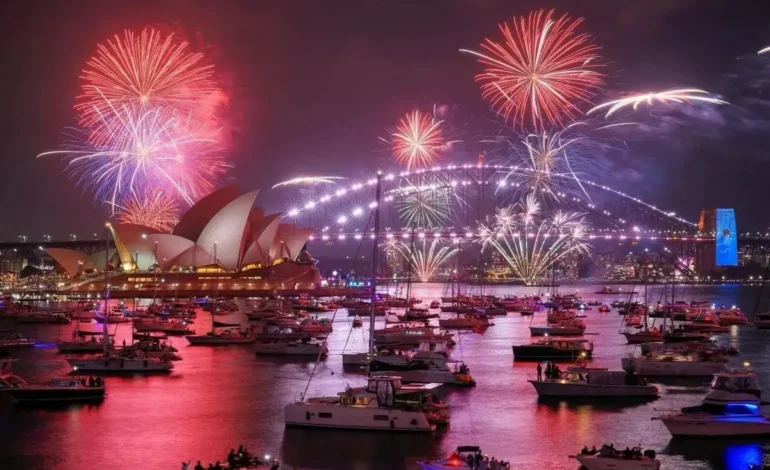
The celebration of New Year’s Eve unfolds as a rolling wave across the planet, lasting more than 24 hours as the clock strikes midnight in each successive time zone. The South Pacific islands are among the first to greet the new year, with Kiribati’s Phoenix Islands crossing into January 1st a full 14 hours before Greenwich Mean Time. Shortly after, New Zealand and parts of Australia began their celebrations, with Sydney’s iconic harbour fireworks becoming one of the first major spectacles broadcast to an estimated 1 billion viewers worldwide.
As the hours pass, the celebration spreads westward through Asia, Europe, Africa, and the Americas, ultimately concluding in the remote islands of American Samoa. This time zone cascade allows people in later zones to watch earlier celebrations unfold on television or social media, building anticipation for their own midnight moment. For readers curious about local traditions beyond fireworks, The London Magazine also offers a comprehensive guide to Traditional British Foods for Visitors, helping you discover cultural experiences to enjoy while celebrating the new year in the UK.
New Year’s Eve Traditions Around the World
Europe – Ancient Customs Meet Modern Celebrations
European nations blend centuries-old traditions with contemporary festivities to create distinctive experiences. In the United Kingdom, celebrations typically centre around countdown events, with families and friends gathering for parties that culminate at the stroke of midnight. The singing of “Auld Lang Syne,” written by Scottish poet Robert Burns, has become a quintessential moment across British celebrations.
Scotland’s Hogmanay
Scotland’s Hogmanay celebrations deserve particular mention, as they often overshadow Christmas in cultural significance. Edinburgh’s Hogmanay festival attracts over 150,000 visitors annually with its torchlight procession, street parties, and concerts spanning multiple days. The tradition of “first-footing”—being the first person to enter a home after midnight—continues in many Scottish households, with the ideal first-footer bringing symbolic gifts:
- Coal for warmth
- Whisky for good cheer
- Shortbread for sustenance
- Salt for flavour
Across the continent, Spain observes the tradition of eating twelve grapes at midnight, one with each chime of the clock. In Denmark, people jump off chairs at midnight to “leap” into the new year, whilst Germans practice “Bleigiessen,” melting small pieces of tin to predict the future.
North America – Spectacle and Intimacy
The United States hosts perhaps the world’s most famous celebration in New York City’s Times Square, where over 1 million people brave winter temperatures to witness the ball drop in person, whilst approximately 1 billion more watch globally via broadcast. The tradition, dating back to 1907, represents the American penchant for large-scale public celebrations.
Beyond Times Square, American celebrations vary widely. Major cities host their own public events, whilst many families opt for intimate house parties or restaurant dinners. The diversity of the population means numerous cultural traditions coexist, from Latin American customs of wearing specific colours for luck to Asian-American temple visits.
Asia – Spiritual Reflection and Spectacular Displays
Asian celebrations often interweave spiritual practices with modern entertainment. In Japan, the transition holds profound significance, with many people visiting Buddhist temples to hear the ringing of the “joya no kane”—108 bells struck to cleanse humanity of its earthly desires according to Buddhist belief.
China’s celebrations can confuse Western observers, as the country observes both the Gregorian calendar’s December 31st and the traditional Lunar New Year. Whilst December 31st sees modern celebrations in cosmopolitan cities, the Lunar New Year remains more culturally significant, with approximately 3 billion trips made during the extended holiday period.
Oceania – Summer Celebrations by the Water
For Australia and New Zealand, New Year’s Eve on Wikipedia arrives during summer, creating a distinctly different atmosphere. Sydney’s harbour fireworks display attracts over 1 million spectators to vantage points around the harbour, with two separate shows at 9 pm and midnight. The midnight display alone uses approximately 8.5 tonnes of fireworks launched from seven barges and the Harbour Bridge.
Many Australians spend New Year’s Eve at beach parties or outdoor barbecues, embodying the nation’s outdoor lifestyle. New Zealand’s celebrations follow a similar pattern, with Auckland’s Sky Tower and Wellington’s waterfront serving as focal points.
South America and Africa – Community and Music
South American celebrations pulse with music, dance, and vibrant street parties. Rio de Janeiro’s Copacabana Beach hosts one of the world’s largest gatherings, with over 2 million people dressed in white gathering to watch a 20-minute fireworks display launched from boats offshore.
In Africa, celebrations vary widely. South Africa’s major cities host significant events, with many African celebrations emphasising community gatherings, music, and traditional foods, whilst church services play an important role in predominantly Christian regions.
New Year’s Eve Fireworks | Why They Matter
Few elements enjoy such universal appeal as fireworks displays. Major cities invest enormous resources into their New Year fireworks programmes, recognising both the tourist revenue they generate and the civic pride they inspire. London’s display along the Thames typically costs over £2 million annually and attracts approximately 100,000 ticketed attendees plus millions more watching on television.
However, environmental and safety considerations have prompted some cities to explore alternatives:
- Drone light shows: Offering choreographed displays without explosions
- Laser displays: Creating spectacular effects with minimal environmental impact
- Projection mapping: Transforming buildings into canvases of light
- Quieter pyrotechnics: Reducing noise pollution for wildlife and sensitive populations
Several European cities, including some in the Netherlands and Germany, have moved towards quieter celebrations to protect wildlife and accommodate residents with sensory sensitivities.
New Year’s Eve in the UK | Events, Travel, and Traditions
Major City Celebrations
Across the United Kingdom, New Year’s Eve events cater to every preference. London’s ticketed fireworks display along the Thames typically draws around 100,000 people, whilst regional cities host equally vibrant celebrations:
- Manchester New Year’s Eve: celebrations have grown significantly, with Albert Square hosting a free family-friendly event featuring live music and midnight fireworks. The city’s Northern Quarter and Deansgate areas buzz with pub and club events, whilst many venues offer special dinner packages.
- Edinburgh’s Hogmanay: represents the UK’s most extensive New Year celebration, transforming Scotland’s capital into a hub of festivities. Birmingham, Liverpool, Leeds, and Glasgow all host significant public events attracting tens of thousands of attendees.
Traditional British Celebrations
The British tradition of attending or hosting a New Year’s Eve party remains strong. According to surveys, approximately 65% of UK adults celebrate the New Year, with about 40% attending parties and 30% hosting gatherings at home. These parties often feature countdown moments with champagne, the singing of “Auld Lang Syne,” and increasingly, viewing major fireworks displays on television.
New Year’s Eve Breaks and Holidays in the UK
The period surrounding New Year’s has become increasingly popular for short breaks, with the UK’s domestic tourism industry reporting that New Year breaks generate approximately £275 million in revenue annually. New Year’s Eve breaks typically involve one to three nights away from home, often in hotels offering special packages.
Popular UK Destinations
City Breaks:
- Edinburgh for Hogmanay celebrations
- London for world-class entertainment
- Manchester for the vibrant Northern Quarter atmosphere
- Bath for historic charm and luxury spas
Countryside Retreats:
- Lake District for peaceful reflection and winter walks
- Cotswolds for cosy pubs and picturesque villages
- Scottish Highlands for dramatic landscapes
- Yorkshire Dales for traditional hospitality
Coastal Getaways:
- Cornwall for dramatic cliffs and seafood
- Devon for charming villages and beaches
- Norfolk for wide skies and nature reserves
The distinction between New Year’s eve breaks UK and New Year’s Eve holidays largely relates to duration. Breaks tend to be shorter domestic trips, whilst holidays may involve longer stays or international travel. Approximately 15% of UK residents travel abroad for the New Year, with popular destinations including Dubai, New York, Paris, and the Canary Islands.
Is New Year’s Eve a Bank Holiday?
A common question concerns whether New Year’s Eve is a bank holiday. The straightforward answer is no, New Year’s Day is not a bank holiday in England, Wales, or Northern Ireland. Businesses, shops, and banks may operate on reduced hours or close early on December 31st, but this reflects individual business decisions rather than statutory requirements.
Scotland differs slightly, as December 31st has historically been treated more significantly due to Hogmanay’s importance. However, even in Scotland, the New Year is not automatically designated as a bank holiday.
UK Bank Holidays Around New Year:
- January 1st: Bank holiday throughout the entire UK
- January 2nd: Bank holiday in Scotland only
- Substitute holiday: If January 1st falls on a weekend, the following Monday becomes a bank holiday
For those planning travel or expecting deliveries, it’s important to check specific opening hours, as the days between December 25th and January 2nd often see reduced operations across many sectors.
New Year’s Eve Parties and Modern Celebrations
The New Year’s Eve party has evolved considerably in recent decades. Traditional house parties remain popular, with approximately 8 million UK households hosting gatherings each year. Public celebrations at bars, clubs, and concert venues offer alternatives, with many venues charging premium prices—often 3-5 times their normal entry fees for New Year.
Digital Celebrations
In recent years, digital technology has introduced new dimensions. Social media enables real-time sharing, whilst video calls allow separated family members to count down together. The pandemic years of 2020-2021 accelerated these trends, with virtual parties and online DJ sets demonstrating human creativity in maintaining traditions despite restrictions.
Industry data shows that following the pandemic, there’s been a 25% increase in people choosing smaller, intimate gatherings over large public events, suggesting lasting changes in celebration preferences.
What to Do on New Year’s Eve | Ideas for Every Type of Celebration
Deciding what to do on New Year’s Eve depends on personal preferences and circumstances. Here are options suited to different celebration styles:
For Social Butterflies
- Attend major city celebrations with live music and fireworks
- Book VIP packages at hotels with gala dinners and entertainment
- Join pub crawls or club events in vibrant nightlife districts
For Families
- Host early countdown parties timed to different time zones
- Visit family-friendly venues with children’s activities
- Create home celebrations with games, treats, and special decorations
For Peace Seekers
- Book countryside cottages for quiet reflection
- Plan coastal walks followed by cosy pub dinners
- Arrange spa weekends with wellness treatments
For Food Lovers
- Reserve tables at fine dining restaurants offering set menus
- Organise progressive dinners visiting multiple venues
- Host elaborate dinner parties showcasing culinary skills
For Volunteers
- Serve meals at homeless shelters
- Visit care homes to spend time with elderly residents
- Support charity events for vulnerable populations
Research indicates that approximately 12% of UK adults now choose to volunteer on New Year’s Eve, reflecting growing interest in meaningful, service-oriented celebrations.
Conclusion
New Year remains a global tradition because it fulfils human desires to mark time, reflect on the past year, and embrace hope for the future. Around 2 billion people worldwide participate in celebrations, from fireworks and parties to prayers and quiet reflection. Despite cultural differences, the rolling wave of midnight across time zones symbolises shared humanity. Whether attending large events, enjoying New Year’s Eve breaks, or celebrating privately, people join a tradition spanning millennia.
Frequently Asked Questions
What is the significance of New Year’s Eve around the world?
New Year’s Eve symbolises reflection, renewal, and hope, marking the transition into a new year and bringing people together globally to celebrate shared milestones.
Is New Year’s Eve a bank holiday in the UK?
New Year’s Eve is not a UK bank holiday, though many businesses close early. New Year’s Day is a bank holiday nationwide, with Scotland also observing January 2nd.
What are the most popular New Year’s Eve celebrations in the UK?
Major UK celebrations include London’s Thames fireworks, Edinburgh’s Hogmanay festival, Manchester city-centre events, private parties, and short New Year’s Eve breaks across the country.
Why do different countries celebrate New Year’s Eve at different times?
Countries celebrate New Year’s Eve at different times due to global time zones, with midnight occurring first in the Pacific and moving westward as the Earth rotates.
What are some alternatives to attending a New Year’s Eve party?
Alternatives include staying home, booking a short break, enjoying a restaurant meal, attending cultural events, celebrating early with family, or welcoming the new year quietly.