


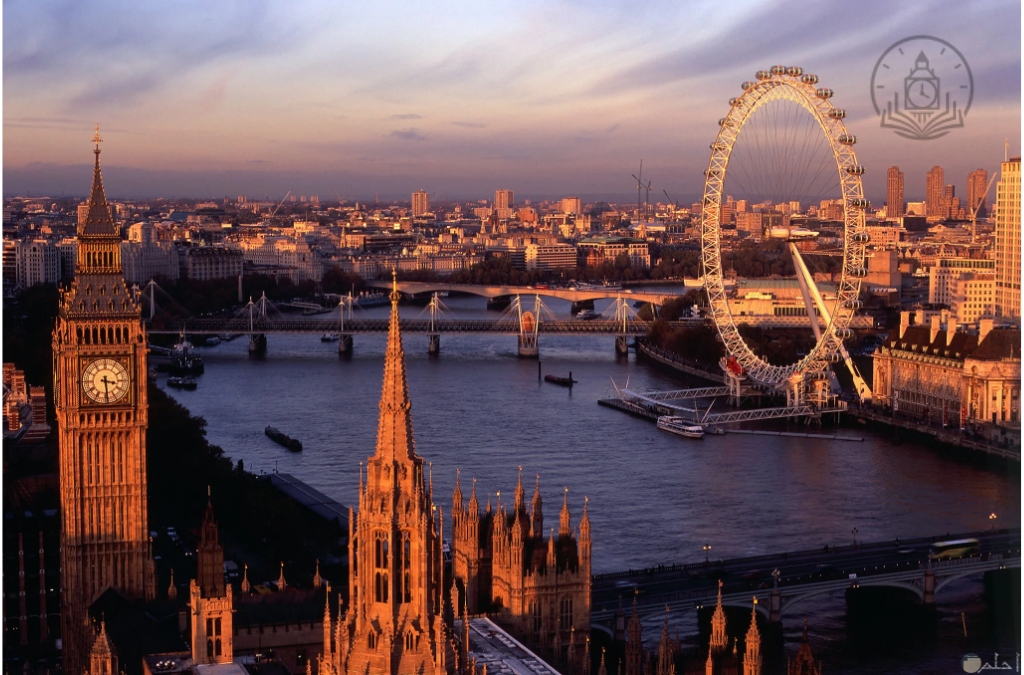
London stands as one of the world’s most captivating cities, where every street tells a story of history, art, and innovation. For those planning their next adventure, exploring the best London Travel Places opens a window into this vibrant capital’s timeless charm. The London Magazine guides you through the capital’s must-see icons and hidden gems. Beyond sightseeing, discover how London inspires travelers and entrepreneurs alike to turn their passions into opportunities.
The Essential London Travel Places Every Visitor Must Experience
London’s vast landscape can be overwhelming to first-time visitors, but understanding which destinations are worth your attention makes all the difference. The city’s travel places span centuries of history, from Roman walls to contemporary architectural marvels. Start your journey along the River Thames, which has served as London’s lifeline for over two millennia. This iconic waterway connects many of the city’s premier attractions and offers stunning views from various vantage points, including the Thames Path walking route that stretches through the heart of the capital.
Exploring the South Bank Cultural Quarter
The South Bank area exemplifies London’s cultural richness, housing the Tate Modern, Shakespeare’s Globe Theatre, and the National Theatre. Street performers, book markets, and artisan food stalls create a vibrant atmosphere that captures London’s creative spirit. Meanwhile, the nearby Borough Market has served Londoners since the 13th century, now offering gourmet foods from around the world alongside traditional British fare. These areas demonstrate why London remains one of the globe’s most dynamic cities.
The Tate Modern Experience
This converted power station showcases contemporary art across multiple floors, with free admission to permanent collections and spectacular views from the top-floor viewing terrace. The Turbine Hall hosts large-scale installations that change regularly, always offering something new to discover.
Shakespeare’s Globe Theatre
This faithful reconstruction of Shakespeare’s original playhouse offers performances during warmer months, allowing audiences to experience theatre as Elizabethan crowds did—including standing as “groundlings” in front of the stage for an authentic and affordable experience.
Best Places to Go in London – From World-Famous Landmarks to Local Secrets
When considering the Best Places to Go in London, certain attractions immediately come to mind. The Tower of London, with its nearly thousand-year history, houses the Crown Jewels and tells stories of royal intrigue, imprisonment, and execution. The Yeoman Warders, commonly known as Beefeaters, provide entertaining and educational tours that bring history to life. Just across Tower Bridge—itself an architectural masterpiece completed in 1894—you’ll find more layers of London’s fascinating past.
The Westminster Historic District
Big Ben and the Houses of Parliament create London’s most recognizable skyline, though many visitors don’t realize that “Big Ben” actually refers to the bell inside the Elizabeth Tower rather than the tower itself. The Westminster area includes Westminster Abbey, where coronations have taken place since 1066, and the Churchill War Rooms, which preserved the underground headquarters where Winston Churchill directed British operations during World War II. These sites offer profound insights into British governance, monarchy, and resilience.
Westminster Abbey’s Royal Connections
Over 3,300 people are buried or memorialized within Westminster Abbey, including seventeen monarchs, literary giants like Charles Dickens, and scientists like Isaac Newton. The Coronation Chair, used in every coronation since 1308, remains on display for visitors to admire.
Churchill War Rooms Tour Highlights
The preserved underground complex includes Churchill’s bedroom, the Map Room where military operations were tracked, and interactive exhibits exploring life during the Blitz. Audio guides featuring firsthand accounts bring this claustrophobic yet historic space to life.
Hidden Gems Among the Best Places to Go in London
Beyond the famous landmarks, London rewards curious travelers who venture into lesser-known territories. Leadenhall Market, with its ornate Victorian architecture, served as a filming location for Diagon Alley in the Harry Potter films and houses charming shops and eateries. The Sky Garden at 20 Fenchurch Street offers free admission to London’s highest public garden, providing panoramic views without the hefty price tag of other observation decks. Neal’s Yard in Covent Garden bursts with color, its rainbow-painted buildings surrounding a small courtyard filled with organic cafes and wellness shops.
East End Creative Neighborhoods
The East End neighborhoods of Shoreditch and Brick Lane showcase London’s creative edge through street art, vintage markets, and diverse cuisine. Columbia Road Flower Market operates every Sunday morning, where locals and visitors alike browse stunning floral displays in a Victorian street setting. These areas reveal London’s constantly evolving character and its communities’ creativity.
Must Visit Places in London for an Authentic Experience
Among the Must Visit Places in London, certain destinations define the city’s character in unique ways. The British Museum stands as one of humanity’s greatest treasure troves, housing millions of objects spanning two million years of history—all with free admission. The Rosetta Stone, Egyptian mummies, and the Parthenon Marbles represent just a fraction of its extraordinary collection. Spending even a full day here barely scratches the surface of its offerings.
Royal London – Palaces and Pageantry
Buckingham Palace serves as the official residence of the British monarch and opens its State Rooms to visitors during the summer months. The Changing of the Guard ceremony, occurring at 11:00 AM on selected days, provides a free spectacle of British pageantry complete with red-coated guards and a military band. Nearby St. James’s Park offers a tranquil retreat with its lake, pelicans, and views toward the palace.
Kensington Palace and Gardens
Once home to Queen Victoria and Princess Diana, Kensington Palace now houses exhibitions about royal life and fashion. The surrounding Kensington Gardens merge seamlessly with Hyde Park, creating vast green spaces perfect for picnics, leisurely walks, and escaping urban intensity.
Cultural Must-Visit Places in London
The West End theatre district rivals Broadway for world-class performances, with dozens of venues presenting everything from long-running musicals like “Les Misérables” to cutting-edge contemporary drama. Booking in advance often secures better seats and prices, though same-day discount tickets are available at the TKTS booth in Leicester Square for spontaneous theatre-goers.
National Gallery Masterpieces
For art enthusiasts, the National Gallery in Trafalgar Square houses over 2,300 paintings dating from the mid-13th century to 1900, including works by Van Gogh, Monet, and Da Vinci—again, completely free. The nearby National Portrait Gallery reopened in 2023 after extensive renovations, showcasing portraits of historically important and famous British people. These institutions demonstrate Britain’s commitment to making culture accessible to everyone.
Practical Tips for Exploring London’s Must-Visit Places
London’s transport system, operated by Transport for London (TfL), efficiently connects all major attractions through the Underground (Tube), buses, and Overground trains. An Oyster card or contactless payment card offers the most economical way to travel, with daily caps preventing overspending. Many attractions cluster together, making walking between them both practical and enjoyable—London reveals its character through its streets as much as through its landmarks.
Budgeting for London Attractions
Consider purchasing a London Pass if you plan to visit multiple paid attractions, as it can provide significant savings and skip-the-line access. However, with so many free museums and galleries, budget-conscious travelers can experience world-class culture without spending heavily on admission fees. Accommodation options range from luxury hotels like The Ritz to budget-friendly chains like Travelodge, with hostels and Airbnb offerings providing additional variety.
How to Start a Travel Company – Turning Your Passion into a Business
If exploring London and other destinations has inspired entrepreneurial ambitions, understanding How to Start a Travel Company opens exciting career possibilities. The UK travel industry generates billions annually and employs hundreds of thousands of people across various sectors—from tour operators to specialist travel agencies. Starting your own travel company requires careful planning, industry knowledge, and compliance with regulations, but the rewards include turning your passion for travel into a sustainable livelihood.
Identifying Your Travel Business Niche
Begin by identifying your niche within the travel market. Will you focus on luxury travel, adventure tourism, corporate travel management, or specialist destinations? Perhaps your London expertise could translate into curated London tours for international visitors or UK staycation packages for domestic travelers. Research your target market thoroughly, understanding their preferences, booking habits, and pain points. This groundwork shapes your business model and marketing strategy.
Market Research Strategies
Conduct surveys within your target demographic, analyze competitors’ offerings, and identify gaps in the current market. Understanding what potential customers value—whether it’s personalized service, competitive pricing, unique experiences, or convenience—helps position your business effectively.
Legal Requirements and Industry Memberships
UK travel businesses must navigate specific legal requirements depending on their structure. If you’re selling package holidays—defined as combining at least two travel services like transport and accommodation—you need to comply with the Package Travel and Linked Travel Arrangements Regulations 2018. This typically requires holding an Air Travel Organizer’s License (ATOL) for flight-inclusive packages or joining a bonding scheme for other protected bookings.
ABTA and IATA Membership Benefits
Membership in professional bodies like ABTA (Association of British Travel Agents) provides credibility, customer trust, and business support. ABTA members must meet financial bonding requirements, ensuring customer protection if your business fails. The International Air Transport Association (IATA) accreditation allows you to issue airline tickets directly, though this requires meeting specific financial and operational criteria. These memberships, while involving costs, signal professionalism and reliability to potential customers.
Building Your Travel Business Foundation
Create a comprehensive business plan covering your services, target market, marketing strategy, financial projections, and operational procedures. Register your business with Companies House if forming a limited company, and register with HMRC for tax purposes. Professional indemnity insurance protects against claims arising from your advice or services, while public liability insurance covers injuries or damages occurring during tours or events you organize.
Essential Technology and Software
Develop supplier relationships with hotels, tour operators, airlines, and ground transportation providers. Many suppliers offer trade rates to registered travel agents, allowing you to build in profit margins while remaining competitive. Invest in booking software or customer relationship management systems to streamline operations and maintain professional service standards. Your website becomes your primary sales tool, requiring clear information, easy navigation, and secure booking capabilities.
How to Become a Travel Agent UK – Your Career Pathway
Beyond starting your own company, many aspiring travel professionals wonder how to become a travel agent UK working for established agencies or tour operators. This career path offers a more straightforward entry into the travel industry while building valuable experience and industry connections. Travel agents help clients plan trips, book transport and accommodation, provide destination advice, and handle logistics—all while earning through commissions and service fees.
Training and Qualifications for Travel Agents
No formal qualifications are legally required to become a UK travel agent, though many employers prefer candidates with relevant certifications or experience. The Travel and Tourism Apprenticeship programs offer structured training combining workplace learning with formal qualifications. Alternatively, courses from providers like the Travel Training Company or ABTA’s LifeLearn Academy provide industry-recognized certifications covering geography, booking systems, and customer service skills.
Online and Distance Learning Options
Many training providers offer flexible learning options, allowing you to study while working other jobs. These courses typically cover destinations worldwide, booking procedures, customer service excellence, and sales techniques—all essential skills for travel agent success.
Skills and Qualities for Travel Agent Success
Successful travel agents combine destination knowledge with strong interpersonal skills. You’ll need excellent communication abilities to understand client needs and present options effectively. Attention to detail ensures bookings are accurate and complete, preventing costly mistakes and client dissatisfaction. Problem-solving skills prove essential when flights get canceled, hotels overbook, or clients face emergencies abroad.
Building Destination Expertise
Develop geographical knowledge and cultural awareness across multiple destinations. Familiarization trips, offered by tourist boards and tour operators, allow agents to experience destinations firsthand—invaluable for providing authentic recommendations. Stay current with travel trends, new destinations, visa requirements, and health regulations. The travel industry constantly evolves, requiring continuous learning and adaptation.
Career Progression and Specialization
Entry-level travel agent positions typically involve processing bookings, answering customer inquiries, and learning booking systems under supervision. As you gain experience, you might specialize in luxury travel, cruise holidays, adventure tourism, or specific regions like Asia or South America. Senior agents often manage key accounts, handle complex itineraries, and mentor junior staff.
Independent Travel Consultant Opportunities
Some agents transition into roles with tour operators, designing packages and managing supplier relationships. Others become travel consultants working independently, often from home, representing multiple suppliers while managing their own client base. The flexibility and variety within travel careers allow you to shape your path according to your interests and lifestyle preferences.
What Does Travel Insurance Excess Mean: Essential Knowledge for Travelers and Agents
Whether you’re planning your London adventure or advising clients as a travel professional, understanding what does travel insurance excess mean protects against financial surprises. Travel insurance excess refers to the amount you must pay toward any claim before your insurance covers the remaining costs. Think of it as your contribution to the claim, similar to car insurance excess that you might already understand.
Understanding Excess in Practice
For example, if your travel insurance policy has a £75 excess and you need to claim £500 for lost luggage, you would pay the first £75, and your insurer would pay the remaining £425. If your claim were only £60, you’d receive nothing because it falls below the excess amount. Policies with higher excesses generally cost less in premiums, as you’re accepting more financial responsibility should something go wrong.
Standard vs. Voluntary Excess
Travel insurance policies may include different types of excess. A standard excess applies to most claims—medical expenses, lost belongings, or trip cancellation. Some insurers add specific excesses for certain claim types, like an additional excess for winter sports injuries or gadget claims. Always read policy documents carefully to understand what excesses apply to different situations.
Voluntary excess allows you to increase your excess beyond the policy’s standard amount in exchange for lower premiums. This makes sense if you’re unlikely to make small claims and want to reduce upfront costs. However, ensure you could comfortably afford the excess if you needed to claim, especially for medical emergencies that could involve substantial costs.
UK Travel Insurance Considerations
UK travel insurance varies significantly across providers, with policies ranging from basic single-trip coverage to comprehensive annual multi-trip plans. Medical coverage proves essential when traveling abroad, as European Health Insurance Card (EHIC) coverage has changed post-Brexit, and countries outside Europe often charge substantial amounts for medical treatment. Trip cancellation protection safeguards your financial investment if you must cancel due to illness, injury, or other covered reasons.
Comparing Policies Effectively
When comparing policies, look beyond premium costs to understand coverage limits, exclusions, and excess amounts. Some policies offer excess waiver options for an additional fee, eliminating your excess payment if you claim. Pre-existing medical conditions require disclosure when purchasing insurance, as failing to declare them may invalidate claims. Specialist insurers cater to travelers with medical conditions, older travelers, or those pursuing adventure activities.
Integrating London Travel Planning with Professional Industry Knowledge
Understanding London’s travel places becomes even more valuable when combined with professional travel industry knowledge. If you’re establishing yourself as a travel agent or starting a travel company, positioning yourself as a London specialist could differentiate you in the market. Create curated itineraries showcasing both famous landmarks and hidden gems, develop partnerships with London hotels and tour operators, and stay updated on new attractions and events.
Leveraging Personal Experience
Your firsthand experience exploring the best places to go in London provides authentic insights that online reviews can’t match. Share stories about watching sunset from Primrose Hill, navigating the quirky shops of Camden Market, or discovering tranquil corners in Hyde Park. These personal touches build trust with clients who value expertise over generic information.
Addressing Practical Travel Concerns
Consider the logistical aspects that travelers often overlook—airport transfers from Heathrow, Gatwick, or Stansted; the best times to visit popular attractions to avoid crowds; where to find authentic international cuisine in multicultural neighborhoods; and how to experience London on various budgets. This comprehensive understanding transforms you from someone who simply books travel into a valuable advisor who enhances entire travel experiences.
The Business of Creating Memorable London Experiences
For those pursuing how to start a travel company with a London focus, numerous business models deserve consideration. London walking tours have grown increasingly popular, with themes ranging from Jack the Ripper historical tours to Harry Potter filming locations, street art expeditions, or food-tasting experiences. These require relatively low startup costs while allowing you to showcase passion and expertise.
Specialized Tour Concepts
Photography tours combine sightseeing with skill development, teaching participants how to capture London’s beauty while exploring photogenic locations. Family-focused tours address the specific needs of traveling with children, incorporating interactive elements and child-friendly venues like the Natural History Museum or the London Zoo in Regent’s Park. Corporate team-building experiences might include Thames river activities, escape rooms, or cultural challenges throughout the city.
Digital Products and Content Creation
Digital products complement physical tours—create London travel guides, downloadable itineraries, or video courses sharing your expertise. Building an online presence through social media, blogs, or YouTube channels establishes your authority while attracting potential clients. Email marketing nurtures relationships with past clients, encouraging repeat bookings and referrals.
Practical Steps for Launching Your UK Travel Business
When learning how to become a travel agent UK or launch your travel company, creating systems and processes ensures smooth operations. Develop standard operating procedures for booking confirmations, payment processing, customer communications, and complaint handling. These frameworks maintain consistency and professionalism, especially as your business grows.
Financial Management Essentials
Financial management requires tracking income, expenses, commission payments, and tax obligations. Accounting software designed for small businesses simplifies this administrative burden. Set aside money for taxes, as self-employed travel professionals must handle their own Income Tax and National Insurance contributions through Self Assessment.
Marketing Your Travel Services
Marketing strategies should reflect your target audience and budget. Social media platforms like Instagram and Facebook allow showcasing beautiful travel imagery and engaging with potential customers. Search engine optimization helps people find your website when searching for terms like “London travel specialist” or “bespoke UK tours.” Paid advertising through Google Ads or social media can generate leads, though organic content marketing often provides better long-term value.
Protecting Your Travel Business and Customers
Professional travel businesses must prioritize customer protection and risk management. Beyond the ATOL and ABTA requirements mentioned earlier, maintaining detailed records of all bookings, communications, and payments protects both you and your clients. Clear terms and conditions outline cancellation policies, payment schedules, and responsibilities—preventing misunderstandings and disputes.
Insurance and Risk Management
Travel insurance becomes a crucial conversation with every client. Understanding what does travel insurance excess means allows you to educate customers about their protection options and help them select appropriate coverage. Some travel agents earn commission from insurance sales, though your primary responsibility remains ensuring clients understand their coverage and limitations.
Staying Informed About Travel Advisories
Stay informed about Foreign, Commonwealth & Development Office (FCDO) travel advisories affecting destinations you sell. Government warnings about safety, health risks, or political instability impact both your recommendations and your liability. During crises like the COVID-19 pandemic, travel professionals faced unprecedented challenges managing cancellations, refunds, and changing regulations, an experience that highlighted the importance of crisis management planning.
London’s Evolving Travel Landscape
London continually reinvents itself, with new attractions and developments enhancing its appeal. The Elizabeth Line (Crossrail) has transformed transport across the city, reducing journey times between Heathrow and central London. Regeneration projects in areas like King’s Cross and Battersea have created contemporary neighborhoods blending residential, commercial, and cultural spaces.
Sustainable Tourism Trends
Sustainability concerns influence both traveler behavior and industry practices. Eco-conscious visitors seek accommodation with green certifications, support local businesses, and use public transport or cycling rather than taxis. Travel professionals incorporating sustainable tourism principles into their offerings appeal to this growing market segment while contributing to responsible travel development.
London’s Culinary Diversity
London’s cultural diversity manifests in its cuisine, with virtually every world cuisine represented across the city. From Michelin-starred restaurants to street food markets, the culinary landscape offers endless exploration opportunities. Travel experiences increasingly incorporate food tours, cooking classes, and visits to historic pubs—recognizing that food provides deep cultural insight and memorable experiences.
Final Thoughts
Whether you’re exploring must-visit London travel places or building a career in the UK travel industry, the opportunities are endless. London’s rich history, creativity, and modern energy make it a city like no other—offering hidden gems beyond the guidebooks and inspiration for travelers and professionals alike. From learning how to start a travel company to simply wandering through local markets or riverside paths, every experience in London teaches something new. Let curiosity lead the way, passion fuel your goals, and each journey, personal or professional, bring you closer to the heart of what makes London truly unforgettable.


