






How to Design a Fairy Garden That Feels Like a Mini World
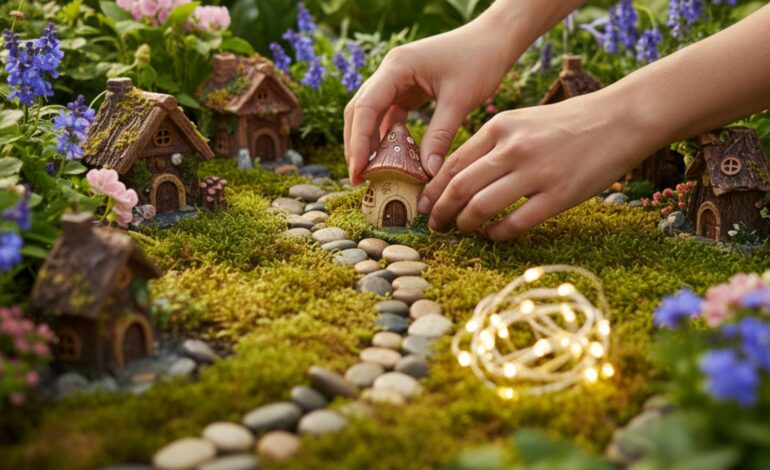

There’s something profoundly satisfying about holding an entire world in your hands. A fairy garden transforms ordinary containers into enchanted landscapes where imagination takes root alongside living plants. More than just soil and miniature accessories, these tiny gardens represent storytelling in its most tactile form—a creative practice that blends horticulture with artistry, mindfulness with whimsy. As sustainable DIY projects continue to capture attention across social platforms and lifestyle communities, miniature gardens have emerged as a beloved intersection of creative gardening, therapeutic crafting, and backyard design innovation.
According to The London Magazine, these miniature worlds have become a growing favorite among gardeners and creatives alike. They offer both beginners and seasoned enthusiasts a small yet imaginative canvas for self-expression — whether on a balcony, tabletop, or garden corner. The magazine notes that the charm lies in the details: every tiny feature turns an ordinary space into a personal story. Creating such an enchanted setting invites you to slow down, design with intention, and experience the quiet joy of watching something magical take shape in your own hands.
Understanding the Basics
What Is a Fairy Garden? (And Why People Love Making Them)
A fairytale garden is a miniature landscape that combines living plants, decorative elements, and imaginative storytelling into a cohesive, scaled-down environment. Unlike traditional container gardening, which focuses primarily on plant health and aesthetic appeal, this miniature world weaves narrative into nature. These enchanted spaces typically feature tiny structures—fairy houses for garden displays, bridges, pathways—alongside carefully selected dwarf plants and moss, creating the illusion of a complete ecosystem existing at a fraction of normal scale.
The concept draws inspiration from European folklore and the tradition of cottage gardens, where hidden corners and overgrown spaces were thought to house magical creatures. In Victorian times, the idea of creating miniature gardens for fairies reflected both a romantic connection to nature and the era’s fascination with the supernatural. Today’s fairy garden hobby has evolved beyond folklore into a recognized form of creative therapy and mindful practice.
The Psychology Behind Miniature Gardening
The psychological appeal runs deeper than mere decoration. Creating something tiny gives us a sense of control and calm in an often overwhelming world. When you arrange moss around a miniature house or position a tiny bench beneath a fern frond, you’re making decisions that have immediate, visible results. This tangible creativity offers the same meditative benefits as other mindfulness gardening practices, allowing your mind to focus on texture, proportion, and composition rather than daily stressors.
The DIY hobby aspect has gained tremendous momentum as people seek screen-free activities that produce lasting results. Unlike digital creations that exist only virtually, these miniature landscapes occupy physical space, change with seasons, and require ongoing care—creating a relationship between maker and creation that develops over time.
Planning Your Miniature World
Choosing the Perfect Location
Before gathering materials or selecting plants, thoughtful planning ensures your miniature landscape thrives rather than merely survives. The location you choose fundamentally shapes every subsequent decision, from plant selection to container type to maintenance requirements.
Indoor vs Outdoor – Which Is Right for You?
Indoor Miniature Gardens
Indoor Miniature Gardens offer year-round accessibility and protection from harsh weather, making them ideal for apartment dwellers or those in extreme climates. Terrarium setups create self-contained ecosystems with minimal watering needs, while open containers on sunny windowsills provide more design flexibility. The controlled environment allows for delicate accessories that wouldn’t withstand outdoor conditions. However, indoor displays face challenges with lighting limitations and restricted plant options—most indoor-appropriate plants grow slowly and require careful attention to prevent mold or pest issues in confined spaces.
Outdoor Miniature Gardens
Outdoor Miniature Gardens embrace larger scale possibilities and natural lighting conditions. Backyard landscaping can incorporate these elements into existing beds, creating hidden discoveries throughout your property. Balcony displays transform urban spaces into whimsical retreats, while dedicated yard corner designs can expand into elaborate scenes spanning several square feet. Outdoor versions benefit from natural rain, better air circulation, and the full spectrum of sunlight, allowing for more robust plant choices and dramatic seasonal changes.
Site Selection Essentials
Once you’ve decided on indoor or outdoor, specific site selection requires evaluating several environmental factors. Sunlight availability tops the list—observe potential locations throughout the day to understand light patterns. Full sun (six-plus hours direct sunlight) supports flowering plants and herbs but may stress delicate foliage. Partial shade (three to six hours) offers versatility for most miniature plants. Deep shade limits options significantly but works beautifully for moss-based woodland themes.
Drainage considerations prevent waterlogged disasters. Outdoor ground-level gardens need naturally well-draining soil or amended beds. Container gardens require drainage holes regardless of location. Indoor setups demand careful watering discipline since excess moisture has nowhere to escape. Accessibility matters more than many beginners anticipate. A miniature landscape positioned where you pass daily receives attentive care and brings consistent joy.
Mini-Checklist for Garden Beginners:
- Observe light conditions for at least three days before committing to a location
- Ensure the spot is protected from strong winds if outdoors
- Verify easy access to water sources for maintenance
- Check that the surface can support the weight of a filled container
- Consider visibility—place gardens where they’ll be appreciated, not overlooked
Building the Foundation
Gathering Your Materials
Quality materials form the literal foundation of your miniature world’s success. While improvisation and recycling add charm, certain essentials shouldn’t be compromised.
Essential Materials Checklist
Potting soil
Potting soil designed for containers provides the nutrient base your plants need. Avoid garden soil, which compacts in containers and drains poorly. For succulent-focused designs, a cactus mix with added perlite prevents root rot. Indoor gardens benefit from sterile potting mix to minimize pest introduction.
Moss
Moss serves multiple purposes:
- Covering soil surfaces for a finished appearance
- Creating “lawn” areas in your miniature landscape
- Adding instant age to structures
- Providing authentic forest floor texture
Sheet moss works for larger coverage, while reindeer moss (actually a lichen) adds textural variety. Preserved moss maintains its appearance without requiring moisture, though living moss brings authenticity.
Gravel and pebbles
Gravel and pebbles create pathways, define water features, and establish visual contrast. Small river stones (pea gravel) work for paths, while larger decorative stones become boulders or structural elements. A drainage layer of larger gravel at container bottoms prevents waterlogging.
Containers
Containers range from traditional terracotta pots to repurposed items. The vessel sets your miniature world’s tone—rustic wooden boxes suggest cottage charm, sleek ceramic implies modern design, and vintage teacups create intimate vignettes. Miniature tools help position plants and accessories in tight spaces without damaging delicate elements. Fairy house kits or individual structures provide focal points, with ready-made options offering convenience, while DIY projects using natural materials create personalized character. Understanding how to make a garden fairy house from scratch adds unique charm—air-dry clay, bark, or stacked stones all work beautifully.
Container Ideas for Every Space
The container you choose establishes both aesthetic direction and practical limitations. Traditional ceramic pots in various sizes accommodate most designs and provide stable homes for plant roots. Wooden boxes and barrels bring rustic authenticity, especially when slightly weathered or distressed. For space-constrained environments, repurposed teacups or small bowls create desktop-sized worlds. Vintage wheelbarrows make statement pieces in outdoor settings, offering ample room for elaborate layouts.
Sustainability-minded gardeners increasingly turn to reclaimed materials—old drawers, metal tins, or salvaged containers diverted from landfills. These choices signal environmental consciousness while adding unique character. Shallow containers suit succulent designs and minimize soil depth requirements, while deeper vessels support plants with more extensive root systems and allow for layered drainage.
Designing Your Miniature Landscape
Creating a Story Through Space
A compelling miniature landscape tells a story through its spatial arrangement. Random placement of pretty elements creates clutter; intentional landscape design creates immersion.
Step-by-Step Layout Planning
Begin by sketching your vision, even roughly. This planning phase prevents costly mistakes and helps you visualize the finished display. Place your fairy house or primary structure first—this focal point anchors everything else. Position it slightly off-center rather than dead-center for a more dynamic composition.
Add pathways next, creating circulation through your miniature world. Paths guide the eye and suggest movement, implying that tiny inhabitants travel these routes. Use different materials to distinguish paths from surrounding areas—gravel differs from moss, stone differs from mulch. Curves feel more natural than straight lines in small-scale gardens.
Water features, bridges, and fences come next, establishing zones and adding structural variety. Even suggested water (blue glass beads, resin pour) creates visual interest and storytelling opportunity. Natural borders using stones or small plants define spaces without harsh lines. Leave some open areas—not every inch needs decoration.
Adding “Zones” of Imagination
Professional landscape designers create “rooms” within gardens; apply this principle a miniature scale. Designate a fairy village area where structures cluster, suggesting a community. Create a mini forest section using taller plants like ferns positioned toward the back or sides, with moss layered beneath for forest floor authenticity. A water or river zone adds dramatic flair—this might be a small fountain, a dry creek bed, or a “pond” created with mirrors or blue glass. Incorporate a seating area with tiny benches positioned as if overlooking a view.
Zone Ideas for Your Fairy Garden:
- Village area with clustered houses and gathering spaces
- Forest section with tall plants and moss flooring
- Water zone with fountains, streams, or glass bead ponds
- Seating area with miniature benches and viewpoints
- Garden plot with tiny vegetable or flower beds
Design Tip: The “Rule of Three” creates visual balance without symmetry. Use three focal elements—perhaps a house, a tree, and a bridge—positioned to form a triangle. Odd numbers feel more organic than even-numbered groupings.
Plant Selection Guide
Choosing the Right Plants
Plant selection makes or breaks your miniature landscape’s longevity. While accessories set the scene, plants bring life, change, and organic authenticity that artificial elements cannot replicate.
| Plant Category | Best For | Light Needs | Maintenance Level | Key Features |
| Succulents (Echeveria, Haworthia, Sedum) | Indoor & Sunny Outdoor | Bright indirect to full sun | Low | Drought-tolerant, compact growth, diverse forms |
| Moss (Sheet, Reindeer) | Indoor & Outdoor | Low to medium light | Medium | Lush ground cover, forest floor appearance |
| Creeping Thyme | Outdoor | Full sun | Low | Fragrant, foot-tolerant, spreads naturally |
| Baby’s Tears | Shaded Outdoor | Shade to part shade | Medium | Dense carpeting, grass-like appearance |
| Small Ferns (Button, Lemon Button) | Indoor & Shaded Outdoor | Indirect light to shade | Medium | Delicate fronds, tree-like appearance |
| Miniature Hostas | Shaded Outdoor | Shade | Low | Returns annually, realistic, scaled foliage |
| African Violets | Indoor | Bright indirect | Medium-High | Adds color, seasonal blooms |
| Miniature Ivy | Outdoor | Part shade to shade | Medium | Vertical interest, climbing habit |
Best Plants for Indoor Displays
Succulents
Succulents dominate indoor miniature gardens for good reason—they tolerate low light better than most plants, require minimal watering, and maintain compact growth habits. Varieties like Echeveria, Haworthia, and tiny Sedum species offer diverse forms and colors.
Moss
Moss requires consistent moisture but creates lush ground cover unmatched by other options. For indoor use, preserved moss offers appearance without maintenance, though living moss brings authenticity worth the extra care.
Small ferns
Small ferns like button ferns or lemon button ferns provide delicate fronds that suggest miniature trees. They need more water than succulents, but thrive in the indirect light common indoors.
African violets
African violets add color with proper light and care. Miniature varieties stay appropriately scaled, and their flowers provide seasonal interest.
Best Plants for Outdoor Displays
Creeping Thyme
Creeping thyme transforms into miniature meadows, releasing fragrance when brushed and producing tiny flowers. It tolerates foot traffic, grows in full sun, and spreads to fill bare spots naturally.
Baby’s Tears
Baby’s tears creates dense, lush carpeting that resembles grass on a miniature scale. It prefers shade to part shade and consistent moisture, making it ideal for protected outdoor corners.
Sedum Varieties
Sedum varieties thrive outdoors with minimal care, offering diverse textures from jelly bean-shaped leaves to trailing strings of pearls. They’re drought-tolerant once established and provide year-round interest.
Small Hostas
Small hostas work in shaded outdoor gardens, their miniature leaves suggesting full-sized plants in the fairy world. They die back in winter but return reliably in spring.
Miniature Ivy
Miniature ivy adds vertical interest and can be trained along structures, creating a realistic woodland atmosphere.
Plant Arrangement Tips
Height variation prevents flat, uninteresting landscapes. Position taller plants toward the back or sides, creating depth perception. Texture contrast adds visual interest—pair fuzzy lamb’s ear with smooth succulents, or combine fine moss with bold hosta leaves.
Consider light requirements collectively. Don’t mix full-sun-loving herbs with shade-preferring ferns in the same container—one will suffer. Growth rates matter long-term. Fast-growing plants quickly overtake slower companions, disrupting your carefully planned proportions.
Key Arrangement Principles:
- Place taller plants toward the back or sides for depth
- Mix textures (fuzzy, smooth, fine, bold) for visual richness
- Group plants with similar light and water needs
- Research mature sizes before planting
- Leave space for growth—avoid overcrowding
Accessories and Décor
Adding Fairy Houses and Magical Elements
Accessories transform planted containers into miniature worlds. These elements provide the “fairy” in a fairy garden, establishing the theme and narrative.
DIY Fairy House Ideas and How to Make Garden Fairies
Handmade structures carry a charm that mass-produced items can’t replicate. Learning how to make fairies for a fairy garden begins with choosing your medium — air-dry clay lets you sculpt detailed fairy homes that perfectly match your vision, while natural bark from fallen branches can become rustic cottages full of character.
If you’d like to see the full process step-by-step, watch the video below — it visually demonstrates how these tiny fairy figures and houses come to life, making it easier to follow along and try your own designs.
When considering How to Make a Garden Fairy figure itself, polymer clay works wonderfully for small figurines. Shape basic body forms, add delicate wings using translucent clay or wire and fabric, and paint with acrylics for personalized characters. Alternatively, use wooden clothespins as bases, adding fabric scraps for dresses and dried flower petals for wings.
DIY Materials for Fairy Houses:
- Air-dry clay for custom sculpted structures
- Natural bark from fallen branches
- Flat stones for walls, rounded pebbles for rustic cottages
- Repurposed birdhouses cut to scale
- Twigs, moss, and acorns for natural detailing
Stones stacked carefully create cairn-like structures or can be glued together for permanent stone cottages, perfect for any fairy house for garden design. Repurposed birdhouses, cut down to an appropriate scale, make charming structures—sand rough edges, repaint if desired, and position partially buried to suggest a long-established residence.
Sustainable materials and handmade aesthetics increasingly resonate with conscious creators. Using found natural items or recycled materials adds depth to your miniature world’s story—this isn’t just decoration, it’s thoughtful curation.
Where to Find Fairy Accessories
Craft stores stock dedicated miniature garden sections with houses, furniture, figurines, and decorative elements in consistent scales. Online marketplaces like Etsy showcase artisan-made accessories with unique character. DIY tutorials teach you to create custom accessories from household items—wine corks become stools, bottle caps transform into ponds, twig bundles form fences.
Where to Source Accessories:
- Local craft stores for consistent-scale items
- Etsy and online marketplaces for artisan pieces
- DIY from household items (corks, caps, twigs)
- Dollhouse supply shops for 1:12 scale accessories
- Nature walks for stones, bark, and moss
Combining ready-made décor with handcrafted elements strikes an appealing balance. Perhaps use a purchased fairy house as your centerpiece, but create pathways, fences, and small accessories yourself.
Large-Scale Outdoor Projects
Expanding Your Vision – Large Outdoor Fairy Garden Ideas
Scaling up creates statement gardens that become landscape features. Life-size fairy doors attached to tree trunks or fence bases suggest that full-sized humans might encounter fairy realms. Miniature castles or elaborate multi-structure villages spread across several feet become destination gardens. Lighting installations transform evening gardens into magical displays—solar-powered lights eliminate wiring challenges while creating sustainable illumination.
Large outdoor fairy garden ideas DIY approaches often incorporate existing landscape features. Position your fairy village beneath an existing shrub, creating the impression fairies inhabit the space beneath human-scale plantings. Build multi-level terraces using natural slopes, or integrate your design around existing rocks and garden edges. These large outdoor fairy garden ideas allow for working water features, elaborate pathways connecting themed neighborhoods, and life-size fairy garden ideas like full-scale arbors adorned with miniature elements beneath.
Finishing Touches
Lighting, Water Features, and Texture
Details elevate good miniature landscapes to remarkable ones. These finishing elements add polish and sophistication.
Lighting Your Miniature World
Solar fairy lights offer the simplest installation for outdoor gardens. Tiny LED strings wind through plantings and around structures, creating warm glows that activate automatically at dusk. Twinkle lights add sparkle and whimsy—battery-operated options with timers work for both indoor and outdoor gardens. Hidden LEDs create subtle uplighting effects. Tuck waterproof LED pods beneath fairy houses to suggest interior light spilling from windows.
Creating Realistic Water Features
Small fountains introduce movement and sound, though they require power sources. Battery-operated or solar fountain pumps work for container gardens. Resin water effects offer static alternatives that convincingly mimic flowing water. Glass bead ponds provide the simplest water illusion—clear or blue glass gems arranged in shallow depressions catch light beautifully. Mirror pieces beneath clear glass beads amplify reflective qualities.
Textures That Bring It to Life
Pebbles in varied sizes create groundcover interest and define functional areas. Bark chips provide an organic mulch appearance and help retain soil moisture. Moss carpets transform bare soil into lush meadows or forest floors. Flower petals scattered seasonally add color bursts and suggest active gardens tended by unseen inhabitants.
Thematic Inspiration
Fairy Garden Themes to Inspire You
Themed approaches provide creative direction while allowing personal interpretation. These fairytale garden ideas help you establish a cohesive aesthetic.
Woodland Fairytale Theme
This classic fairytale garden idea centers on natural wood elements—bark houses, twig fences, and log benches establish rustic authenticity. Mushroom accessories dot the landscape, suggesting deep forest settings. Moss dominates groundcover, with ferns and shade-loving plants creating canopy layers. The overall effect suggests discovering a hidden glade where nature and magic overlap seamlessly.
Cottagecore & Vintage Theme
Floral décor defines this romantic approach—tiny flower pots, pastel-painted structures, and abundant blooming plants create garden party atmospheres. Lace curtains in miniature windows and distressed furniture suggest beloved, long-tended spaces. This theme thrives in sunny outdoor locations where flowering plants flourish.
Modern Minimalist Fairy Garden
White stones and geometric layouts bring contemporary design principles to miniature gardening. Succulents dominate plant selection—their architectural forms suit minimalist sensibilities. Negative space plays a crucial role, with sparse accessorizing focusing attention on form and composition.
Troubleshooting and Care
Common Mistakes to Avoid When Designing a Fairy Garden
Learning from common errors saves time, money, and disappointment.
Common Beginner Mistakes:
Overwatering: Kills more miniature gardens than underwatering. Check soil moisture before watering—it should dry slightly between sessions.
Expert tip: Use a moisture meter for precise readings, or insert your finger into the soil—if it’s damp an inch down, wait another day.
Plant overcrowding: Creates immediate visual impact but long-term problems. Leave growth space, even if gaps initially disappoint you.
Expert tip: Research mature plant sizes and space accordingly.
Poor drainage: Causes waterlogged nightmares. Containers without drainage holes accumulate water, drowning roots and promoting disease.
Expert tip: Add a two-inch layer of gravel before soil, and use activated charcoal to prevent odors in enclosed terrariums.
Scale imbalance: Undermines realism. When accessories, plants, and structures exist at dramatically different scales, the illusion shatters.
Expert tip: Use “1:12 scale” accessories common in dollhouse supplies for consistency.
Neglect: Quickly transforms living gardens into dead decorations. These miniature worlds require ongoing care—they’re living systems, not static crafts.
Expert tip: Set phone reminders for maintenance tasks until caring for your display becomes habitual.
Using inappropriate materials: Causes deterioration. Indoor-rated accessories used outdoors fade, crack, or rust.
Expert tip: If using DIY materials outdoors, seal wood and use exterior-grade adhesives and paints.
Forgetting plant light requirements: Stresses plants visibly.
Expert tip: Match plants to location light conditions rather than forcing plants you love into unsuitable environments.
Maintenance & Longevity – Keeping the Magic Alive
Initial creation brings excitement; ongoing care sustains magic.
Weekly Care Routine
Watering: Requires observation rather than rigid schedules. Check soil moisture—most miniature displays need water once or twice weekly, though this varies based on plant types, container size, location, and weather. Water slowly and thoroughly, allowing soil to absorb rather than running off.
Trimming: Maintains proportions as plants grow. Pinch back aggressive growers before they dominate neighbors. Deadhead spent flowers to encourage continued blooming. Remove yellowed or damaged leaves promptly.
Soil checks: Ensure adequate moisture without sogginess. Quick visual surveys catch problems early—look for pest presence, plant stress signals, and structural issues.
Weekly Maintenance Tasks:
- Check soil moisture and water as needed
- Trim overgrown plants and pinch back aggressive growth
- Remove dead leaves, spent flowers, and debris
- Inspect for pests (aphids, fungus gnats)
- Straighten toppled accessories or displaced elements
- Assess overall plant health and appearance
Seasonal Refresh Tips
Spring brings renewed growth—fertilize lightly, divide overcrowded plants, and refresh mulch or decorative elements. Summer demands increased watering vigilance, especially for outdoor gardens in hot climates. Fall preparation includes cutting back spent annuals and transitioning to autumn themes. Winter requires protection in freezing climates—either move containers indoors or wrap them for insulation.
Redecoration prevents stagnation. Even small changes renew your engagement with the display.
Final Thoughts
Creating a fairytale garden is more than decoration—it’s a blend of imagination, nature, and personal expression. Whether small or large, each design reflects your creativity and connection to the outdoors. The process itself is calming, grounding, and rewarding. As you nurture your miniature landscape, remember that growth and imperfection are part of its charm—your fairy garden thrives through patience, care, and a touch of everyday magic.
Start your own fairy garden today—one tiny plant at a time. Let it grow alongside your confidence, deepen with your creativity, and become a cherished small world that brings daily moments of wonder and peace.
Frequently Asked Questions
How do you make a fairy garden from scratch?
Use a container with soil and drainage, add a fairy house, pathways, small plants, and miniature accessories to create a magical, balanced design.
What plants do fairies like the most?
Fairies love plants like moss, thyme, baby’s tears, and mini ferns—choose ones that suit your garden’s sunlight and moisture conditions.
Can you make a large outdoor fairy garden?
Yes, you can design large fairy gardens with mini houses, moss paths, water features, and fairy lights for a realistic outdoor display.
How do I maintain a fairy garden through winter?
Move small gardens indoors or cover outdoor ones; reduce watering and store fragile decorations until spring returns.