



Youth and Diversity as Engines of Civic Identity – The Case of Bradford 2025
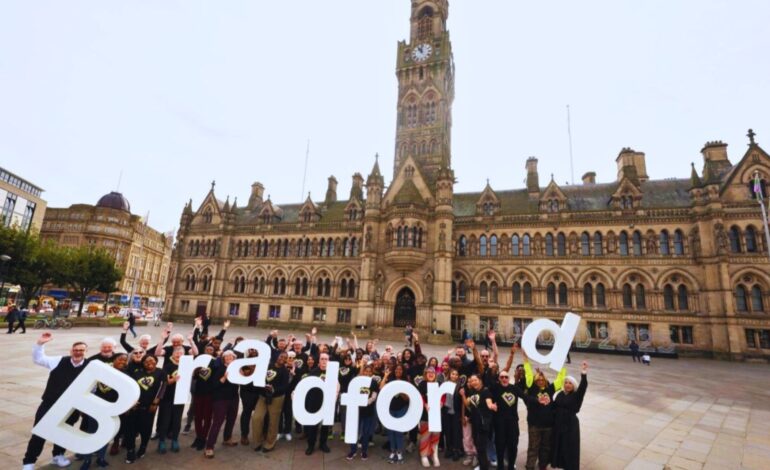

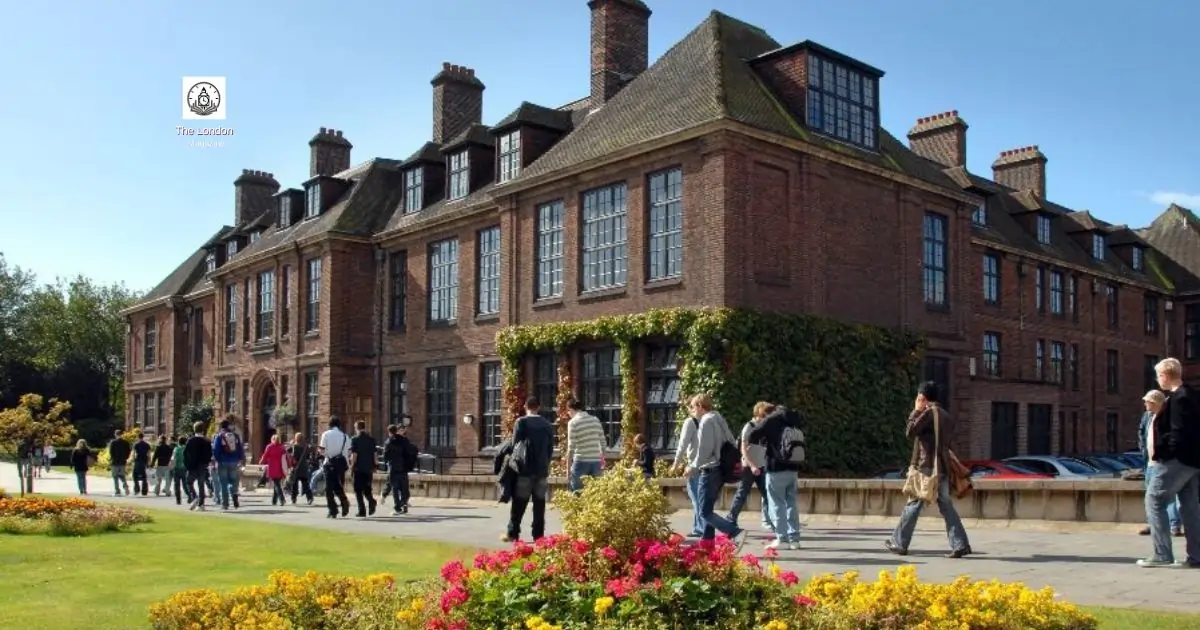
The northern English city of Bradford stands at a cultural crossroads. As it prepares to host its tenure as the UK City of Culture Bradford 2025, the designation marks more than an arts initiative — it reflects a deliberate effort to redefine civic identity. As noted by The London Magazine, this moment captures how local culture can serve as both expression and infrastructure for renewal. Central to this transformation are two interlinked forces: the district’s youthful demographic and its richly diverse population. Together, they have become both the engines of Bradford’s renewal and the barometers of its social complexity.
The Demographic and Cultural Landscape
Bradford District is one of the youngest and most diverse in Britain. According to the Office for National Statistics, nearly 29% of its residents are under 20, compared with a national average of around 23%. Ethnically, it is one of the UK’s most mixed cities, with almost 40% of its population identifying as Asian or British Asian, alongside a growing Eastern European and African diaspora.
| Bradford at a Glance (2024 data) | Statistic |
| Population (approx.) | 552,000 |
| Residents aged under 20 | 29% |
| Ethnic minority population | 43% |
| GDP contribution to West Yorkshire | £11.6 billion |
| Areas within top 10% most deprived in England | 36% |
(Source – Bradford Metropolitan District Council; Office for National Statistics)
The government confirmed an initial £10 million funding allocation to support the city’s preparations for its cultural year, reflecting both recognition and expectation that Bradford’s diversity and youthful energy can serve as models of regeneration gov.uk.
Youth Participation as a Civic Engine of Bradford 2025
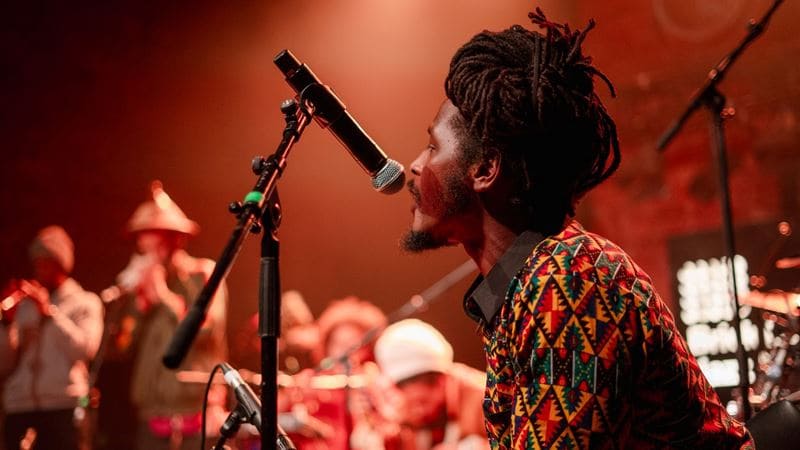
In practice, Bradford’s cultural leadership has sought to transform young residents from spectators into decision-makers. A youth panel drawn from across the district advises on programming, while apprenticeships and “young creative” residencies are designed to equip participants with lasting professional skills. Workshops in digital storytelling, music production, and event design are being held across schools and community hubs.
By mid-2025, organizers report that over 40,000 young people have participated in culture-related activities, including 11,000 pupils through school programs. Such figures, while preliminary, suggest a genuine appetite for civic participation and creative expression among Bradford’s youth — a point that, as The London Magazine observes, speaks to how generational energy can reshape a city’s identity from within.
Diversity and the Civic Narrative
Bradford’s City of Culture bid drew heavily on its pluralism. Its cultural calendar celebrates the city’s South Asian heritage alongside Caribbean, Eastern European, and African diasporas. Plans include a mobile performance venue designed to travel through neighborhoods, community-led street art projects, and multilingual storytelling events. This decentralized approach challenges the idea that culture must emanate from traditional institutions; instead, it allows communities to act as both stage and audience.
As noted in The London Magazine’s coverage of Britain’s evolving cultural geography, Bradford’s approach situates diversity as an asset, not an obstacle. In policy terms, it represents a model for “distributed culture” — civic identity formed not through a single narrative, but through many overlapping ones.
Challenges and Critical Dimensions
The same conditions that make Bradford a compelling case study also expose its fragility. The district ranks among England’s most economically challenged, with over one-third of residents living in areas classified as highly deprived. While cultural investment can elevate civic pride, it cannot substitute for structural reform in housing, employment, and education.
Observers have also cautioned that representation within decision-making must remain consistent. The success of Bradford 2025 will hinge not just on participation numbers but on whether marginalized voices continue to hold influence once the festival year concludes.
Final Thoughts of Bradford 2025
As Bradford moves toward its defining cultural moment, the partnership between youth and diversity forms the cornerstone of its evolving civic identity. This experiment — equal parts regeneration and self-redefinition — will test how far cultural policy can drive inclusion, pride, and economic renewal in a post-industrial landscape.
For readers of The London Magazine, the city offers a living laboratory of what “culture-led development” looks like when powered not by institutions alone, but by the people themselves — young, plural, and determined to be heard. The coming year will reveal whether these aspirations can yield a sustainable legacy of belonging and belief, BBC News.