


BAFTA-winning performer recalls hours-long questioning at JFK Airport in the wake of the 11 September attacks
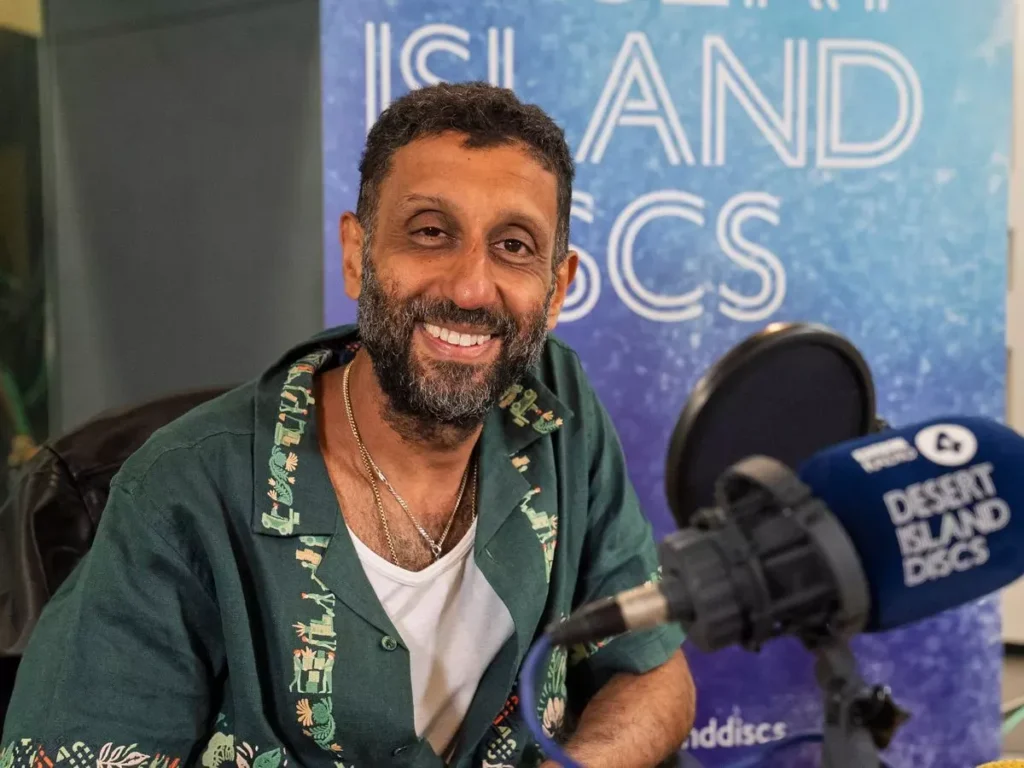
British actor Adeel Akhtar, born in 1980 in Hounslow, west London, has publicly recalled his detention and questioning by US airport security officials at John F. Kennedy International Airport in 2002. The now mid-40s performer, known for his acclaimed work in British television and film, discussed the incident during an appearance on BBC Radio 4’s Desert Island Discs today, renewing public discussion about post-9/11 security practices and their impact on Muslim and South Asian travellers.
The disclosure, reported by The London Magazine, is newsworthy as it provides a first-hand account from a prominent British cultural figure of the heightened security measures implemented following the 11 September 2001 attacks. It sheds light on profiling practices that were widespread during that period and continues to fuel debate over civil liberties more than two decades later.
The Airport Detention Incident
Journey to New York
According to Akhtar’s account on the long-running Radio 4 programme, the incident occurred when he was travelling to New York for a professional audition. Before he departed from the United Kingdom, his passport was confiscated by authorities. Upon arrival in US airspace, the aircraft was diverted, and Akhtar was detained for questioning that lasted several hours.
Nature of Questioning
During the detention, Adeel Akhtar described being asked a series of questions relating to terrorism and his religious identity. The questioning took place in a separate area away from other passengers, and he was subjected to what he characterised as an intensive interview process by security officials. He was not permitted to continue his journey until the questioning concluded.
Outcome and Release
The actor has stated that throughout the process, he felt singled out based on his appearance and background. After several hours, no charges were brought against him, and he was released to continue to his destination. For further insight into how figures in British culture are remembered and reported, see The London Magazine’s tribute to veteran Actor Derek Martin Dies, whose five‑decade career left a lasting impression on UK television and film audiences.
Historical Context of Post-9/11 Security Measures
Legislative Changes in the United States
The incident occurred during a period of dramatically heightened security measures across US ports of entry. Following the 11 September attacks, the United States implemented sweeping changes to aviation security and border control procedures. The Aviation and Transportation Security Act of 2001 federalised airport security screening, whilst the USA PATRIOT Act, passed in October 2001, expanded law enforcement powers for counter-terrorism purposes.
Expanded Security Powers
Under these expanded authorities, immigration and customs officials were legally permitted to conduct extended questioning of arriving passengers at ports of entry. The practice of secondary screening—referring passengers for additional questioning—increased substantially in the years immediately following 2001.
Statistical Evidence of Increased Screenings
Government and academic studies conducted during this period indicated a marked increase in secondary screenings of individuals perceived to be of Middle Eastern, South Asian, or Muslim background. Research published in the mid-2000s suggested that passengers with names appearing on watchlists, or those fitting certain demographic profiles, faced significantly higher rates of additional security measures. Whilst exact figures varied by airport and time period, civil liberties organisations documented thousands of complaints related to perceived profiling between 2001 and 2005.
Official Justification
US authorities consistently defended these enhanced screening procedures as necessary national security measures implemented to prevent further terrorist attacks. The Transportation Security Administration, established in 2001, maintained that screening decisions were based on risk assessment protocols rather than demographic characteristics alone, though this position remained contested by civil rights groups.
Impact on Adeel Akhtar and His Family
Personal Reflections
During his Desert Island Discs appearance, Akhtar also reflected on the incident’s impact on his father, describing a loss of trust in legal systems that had previously been viewed as protective. He noted that the experience affected his family’s confidence in the fairness of security procedures, though he maintained a measured tone when discussing the personal consequences.
Broader Implications
The actor’s account focused on the broader implications of such encounters for individuals’ sense of belonging and security, rather than dwelling on the immediate emotional distress of the detention itself.
Akhtar’s Distinguished Acting Career
Breakthrough Roles
Adeel Akhtar has established himself as one of Britain’s most respected character actors over the past two decades. His breakthrough came with the 2010 satirical film Four Lions, directed by Chris Morris, in which he played Faisal, a role that showcased his ability to bring nuance to complex material.
Award Recognition
Among Adeel Akhtar movies and TV credits, he received particular acclaim for Murdered by My Father (2016), a BBC drama addressing honour-based violence, for which he won a BAFTA Television Award. He secured a second BAFTA for his performance in the BBC drama Sherwood (2022), James Graham’s series exploring divisions in a Nottinghamshire community.
Notable Works
His other notable work includes Utopia, River, Back to Life, and the film Ali & Ava (2021). Akhtar’s contribution to British screen culture has been recognised for bringing authenticity and depth to representations of British Asian experiences whilst demonstrating versatility across genres.
Akhtars Approach to Privacy
Akhtar has consistently maintained privacy regarding his personal life. Details about Adeel Akhtar’s wife and family circumstances are not publicly discussed by the actor, who has chosen to keep such matters separate from his professional work. This approach is common among British performers who prefer to let their work speak for itself.
The Role of Desert Island Discs in Public Discourse
Programme Format and History
Desert Island Discs, which has aired since 1942, provides a unique platform for public figures to reflect on formative experiences alongside their choice of music. The programme’s format, allowing for extended conversation, often surfaces historical incidents that guests have not previously discussed in detail publicly.
Platform for Reflection
The Adeel Akhtar podcast appearance follows this tradition, with the actor using the opportunity to place a personal experience within a broader social and historical context. Such programmes serve an important function in documenting how significant events—in this case, post-9/11 security changes—affected individuals’ lives in ways that only become fully articulable with temporal distance.
Continuing Relevance to Contemporary Debates
Civil Liberties and Security Balance
Stories such as Akhtar’s continue to hold public interest because they illuminate the human impact of security policies implemented during periods of national crisis. More than twenty years after the September 2001 attacks, questions about the balance between security measures and civil liberties remain subjects of active debate in both the United States and the United Kingdom.
Academic and Policy Analysis
Academic research and government reviews conducted in subsequent years have examined the effectiveness and fairness of profiling-based security measures, with mixed conclusions about their utility in preventing terrorism versus their costs in terms of community relations and individual dignity.
Historical Record
The British actor’s account contributes to an ongoing public record of how counter-terrorism measures affected ordinary travellers, particularly those from minority communities, during a period of significant policy change. Such testimonies provide valuable primary source material for understanding the lived experience of security policies that are often discussed in abstract terms.
Future Considerations
As airport security procedures continue to evolve, with technological advances enabling different forms of screening, historical accounts like Akhtar’s serve as reminders of the importance of maintaining proportionality and fairness in measures designed to protect public safety.


